
Subpercezione

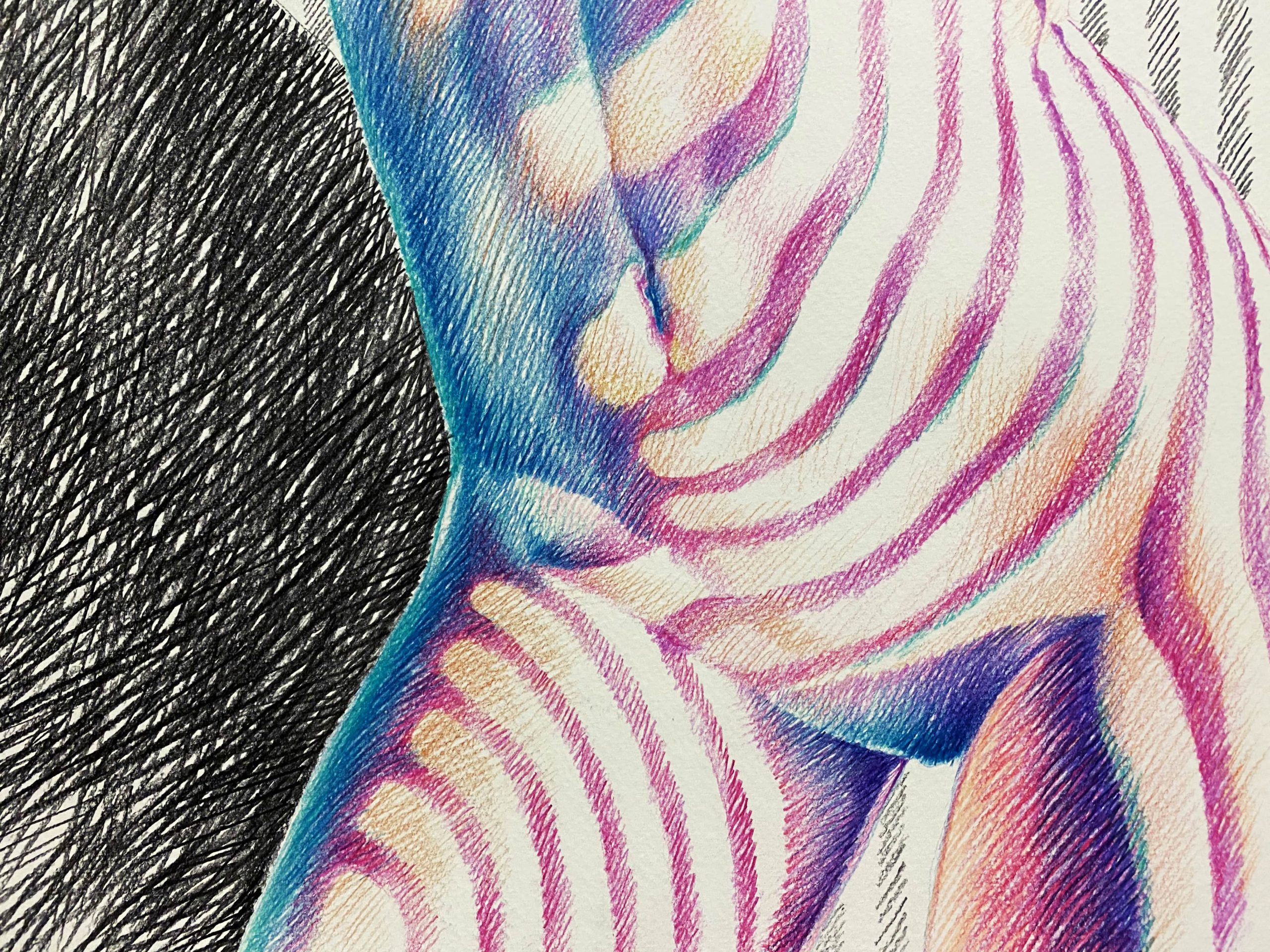
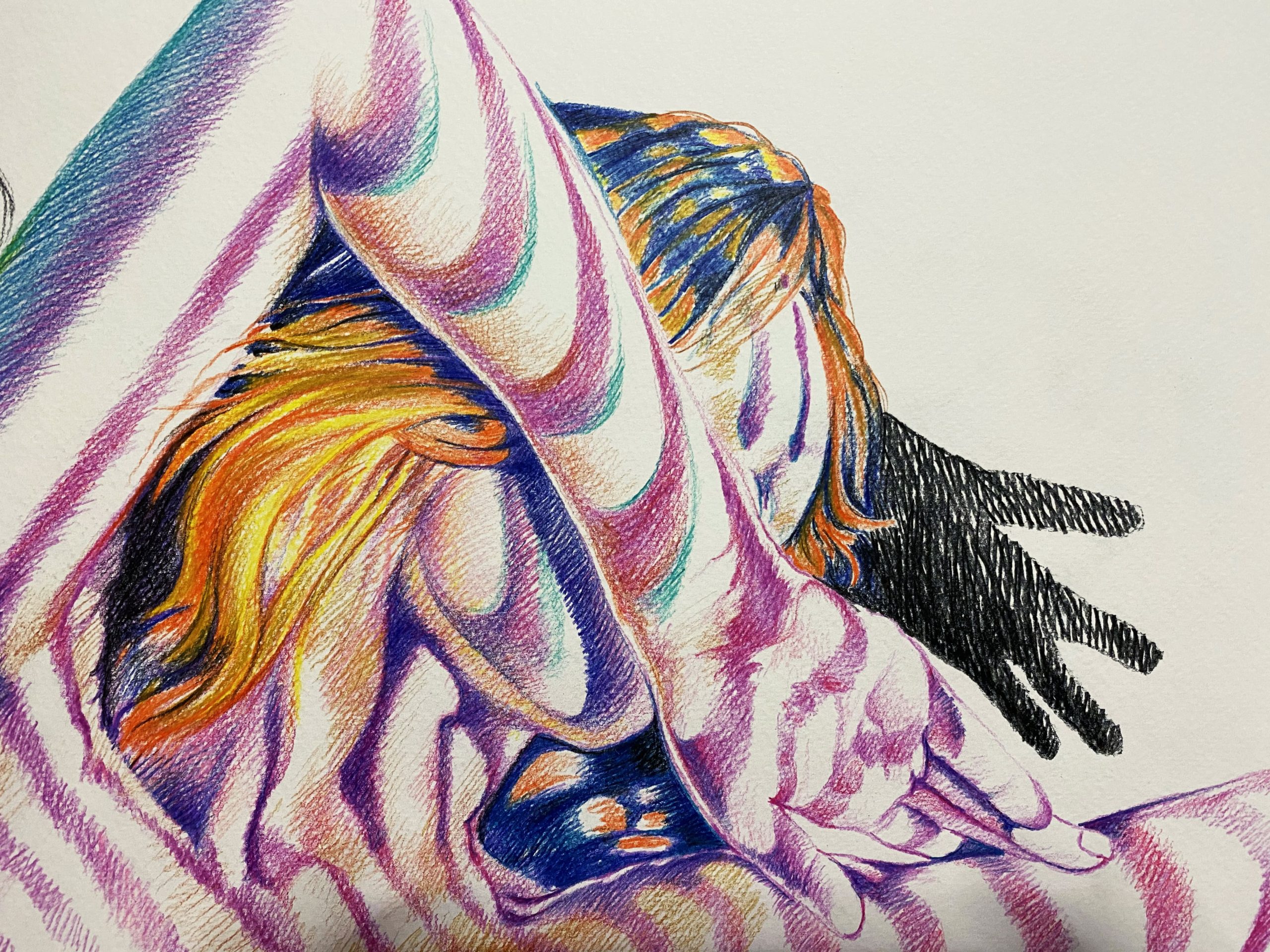
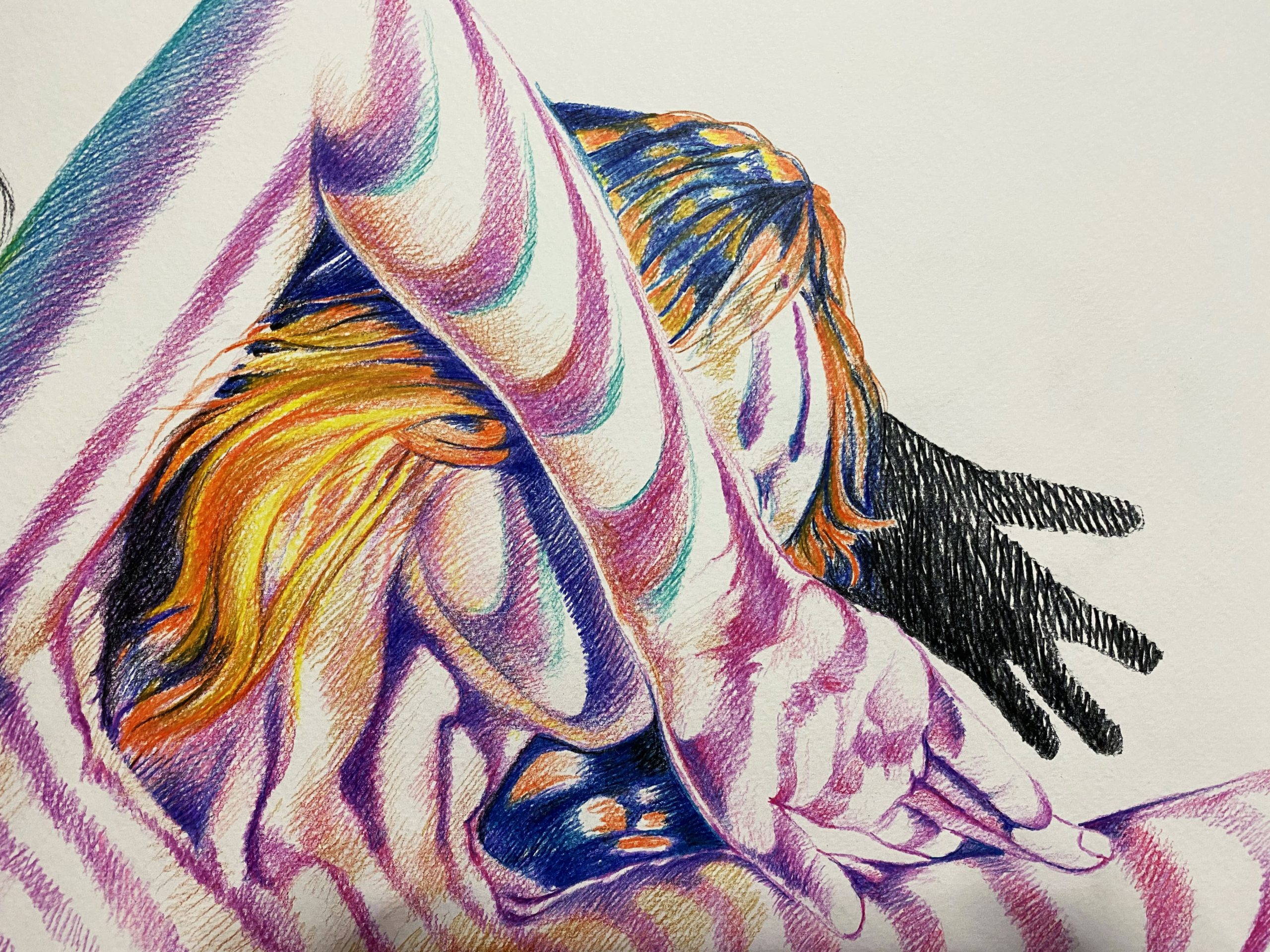
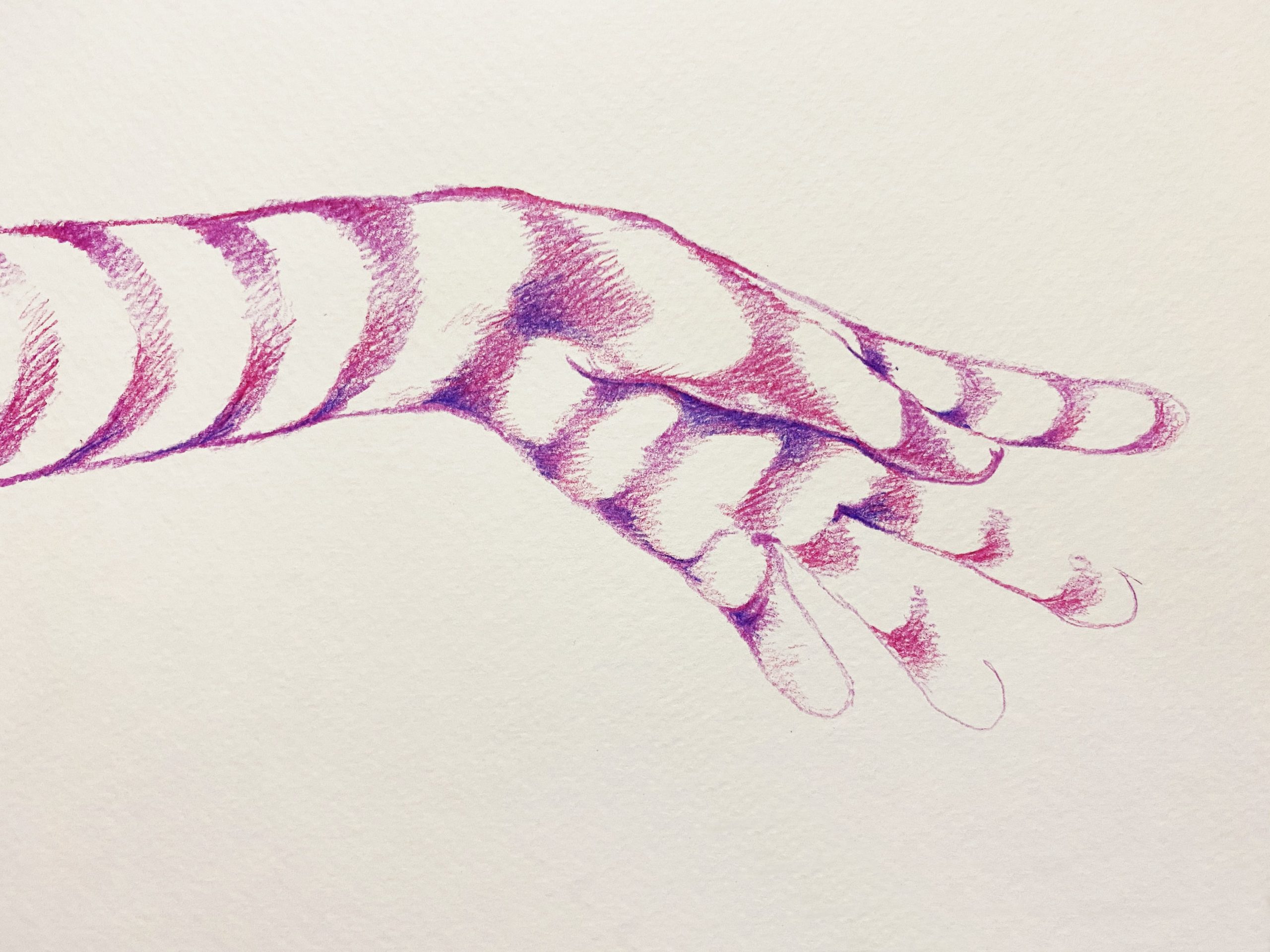
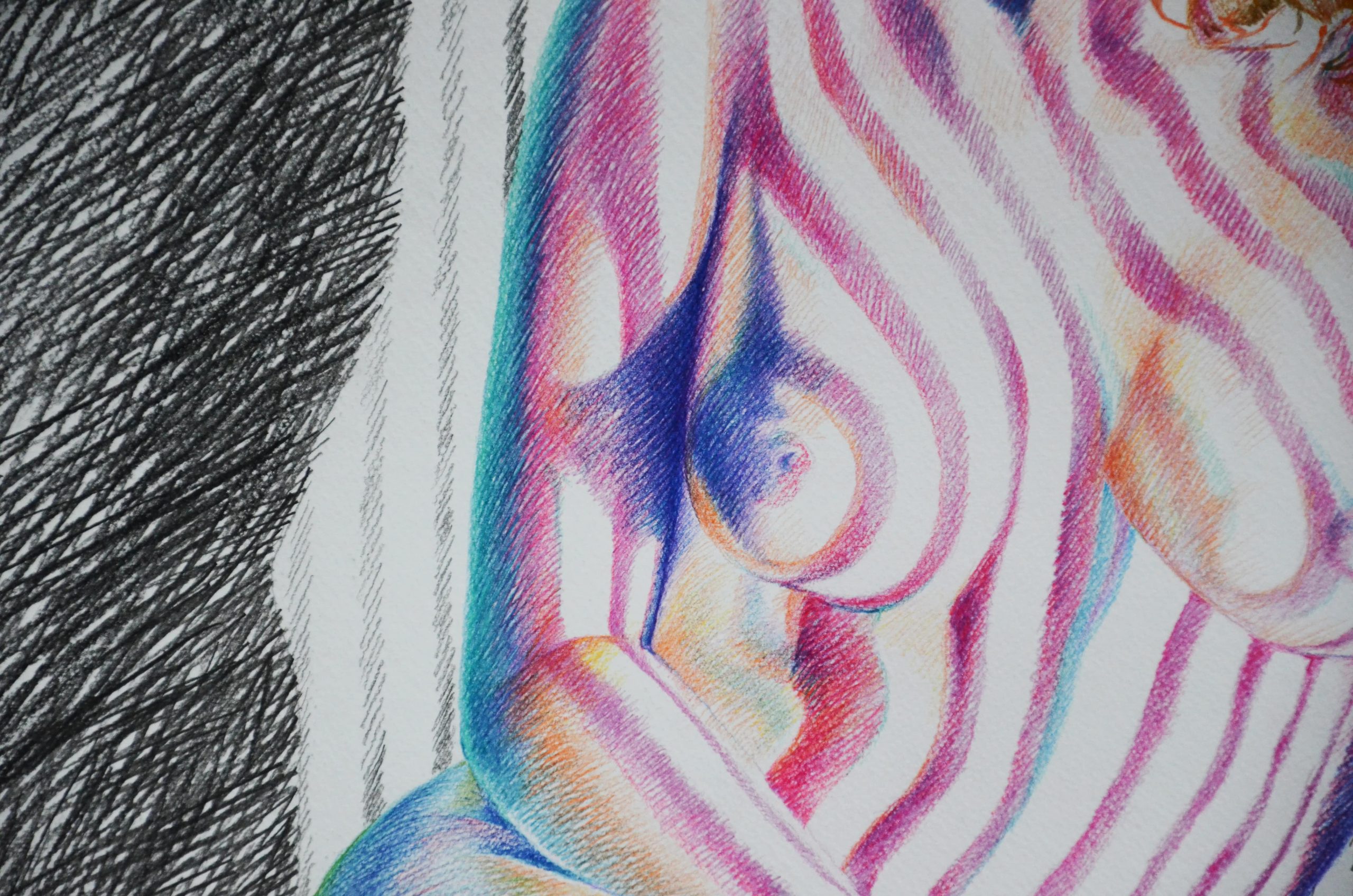
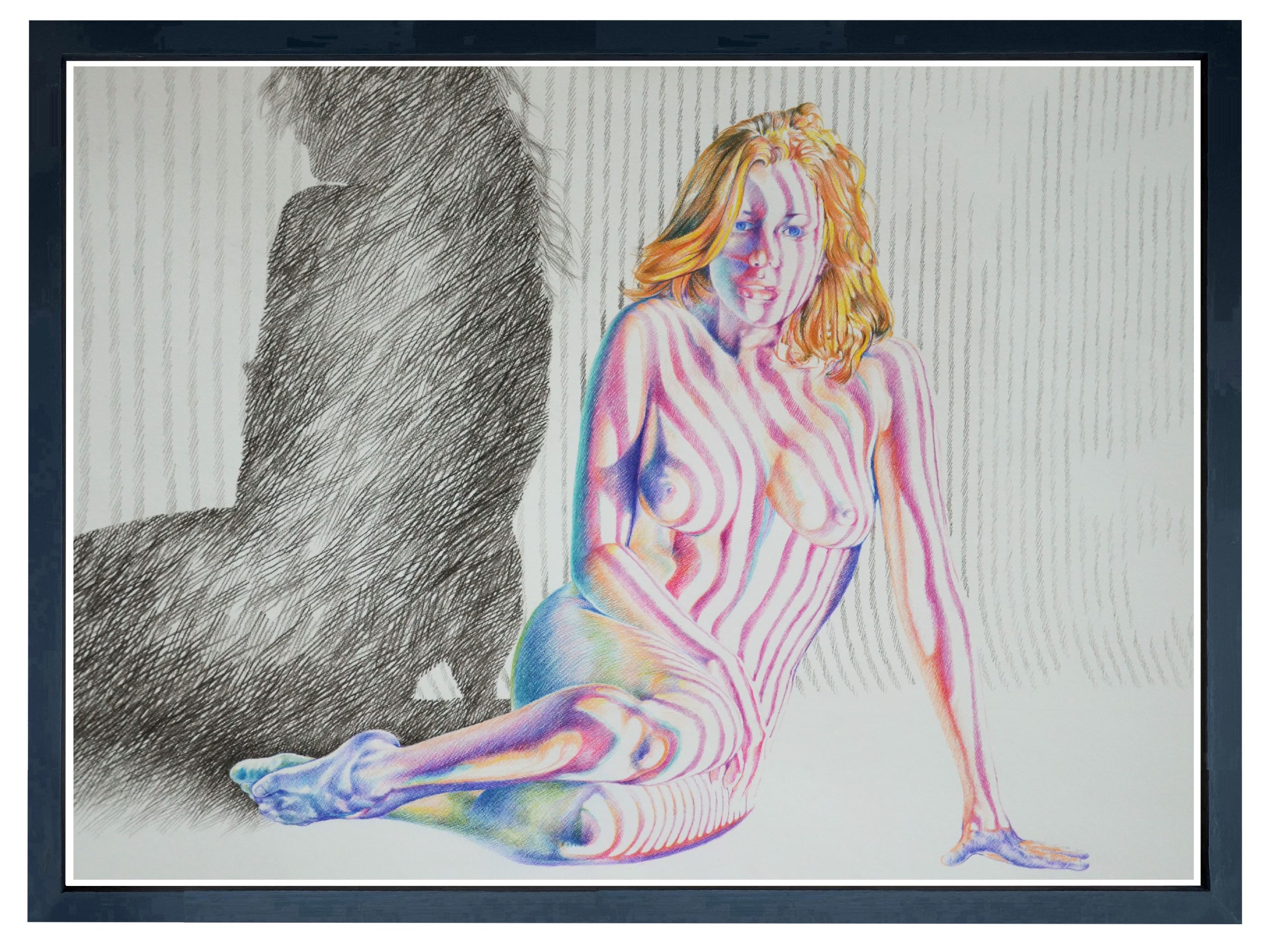
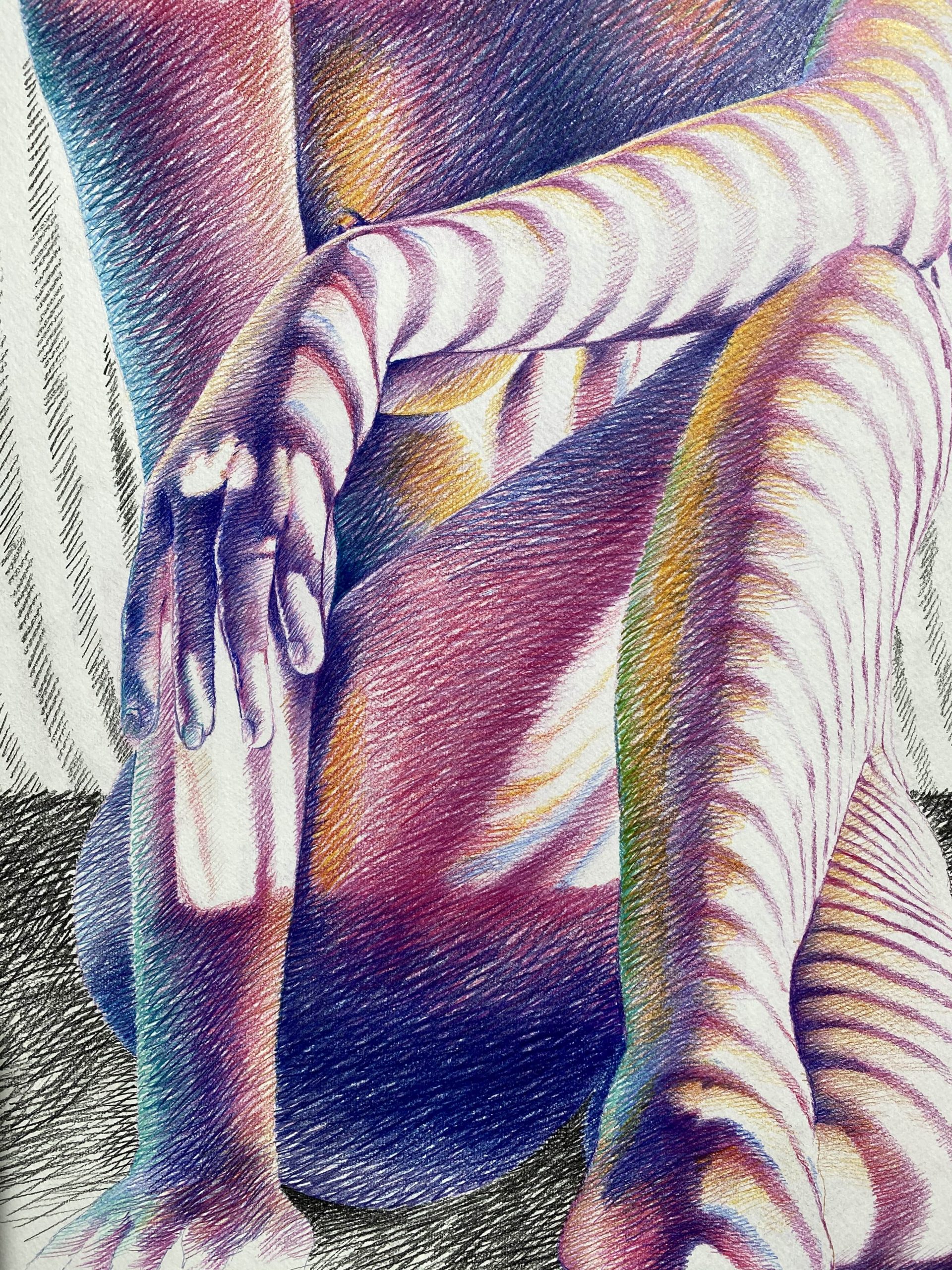
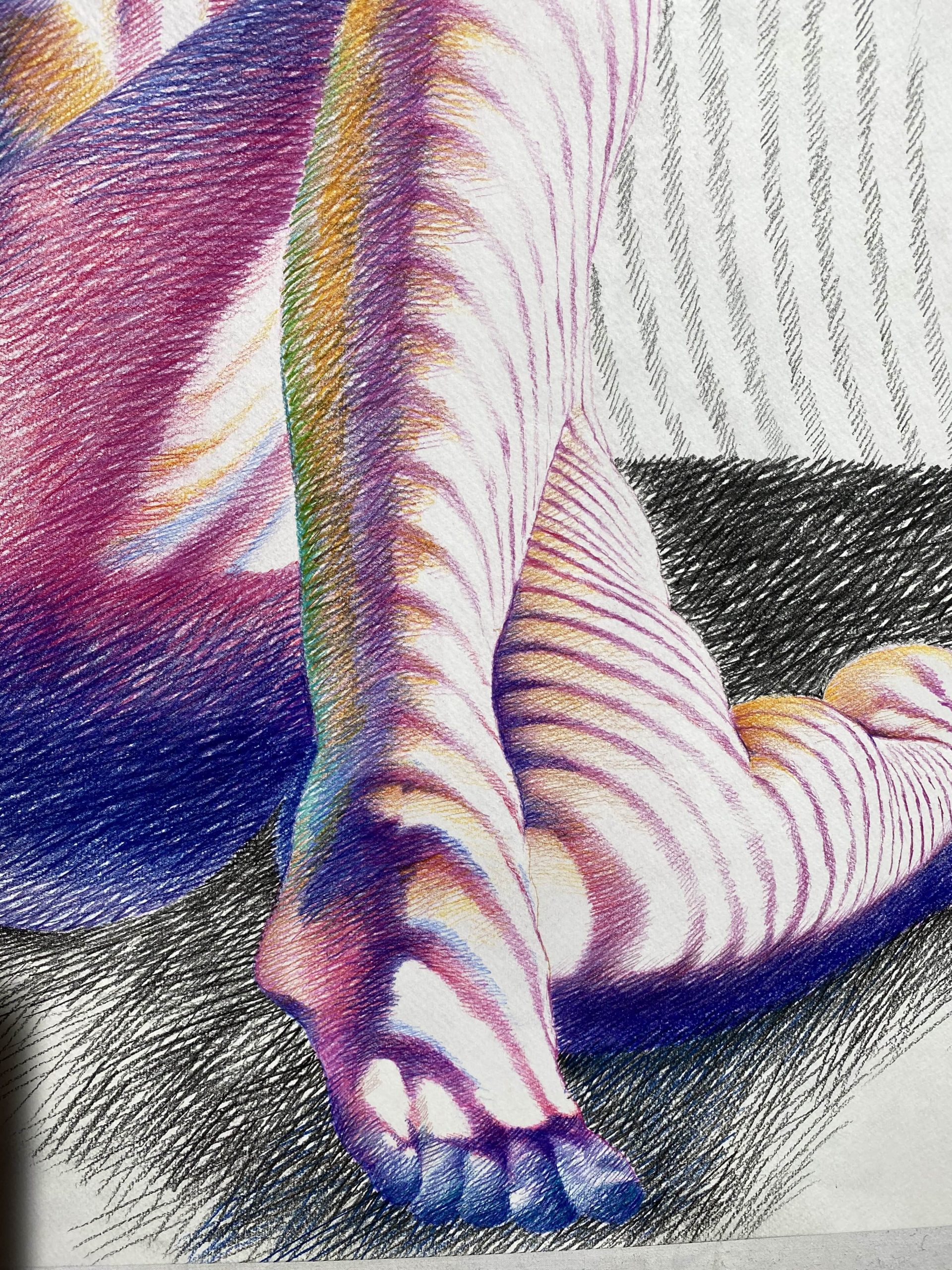
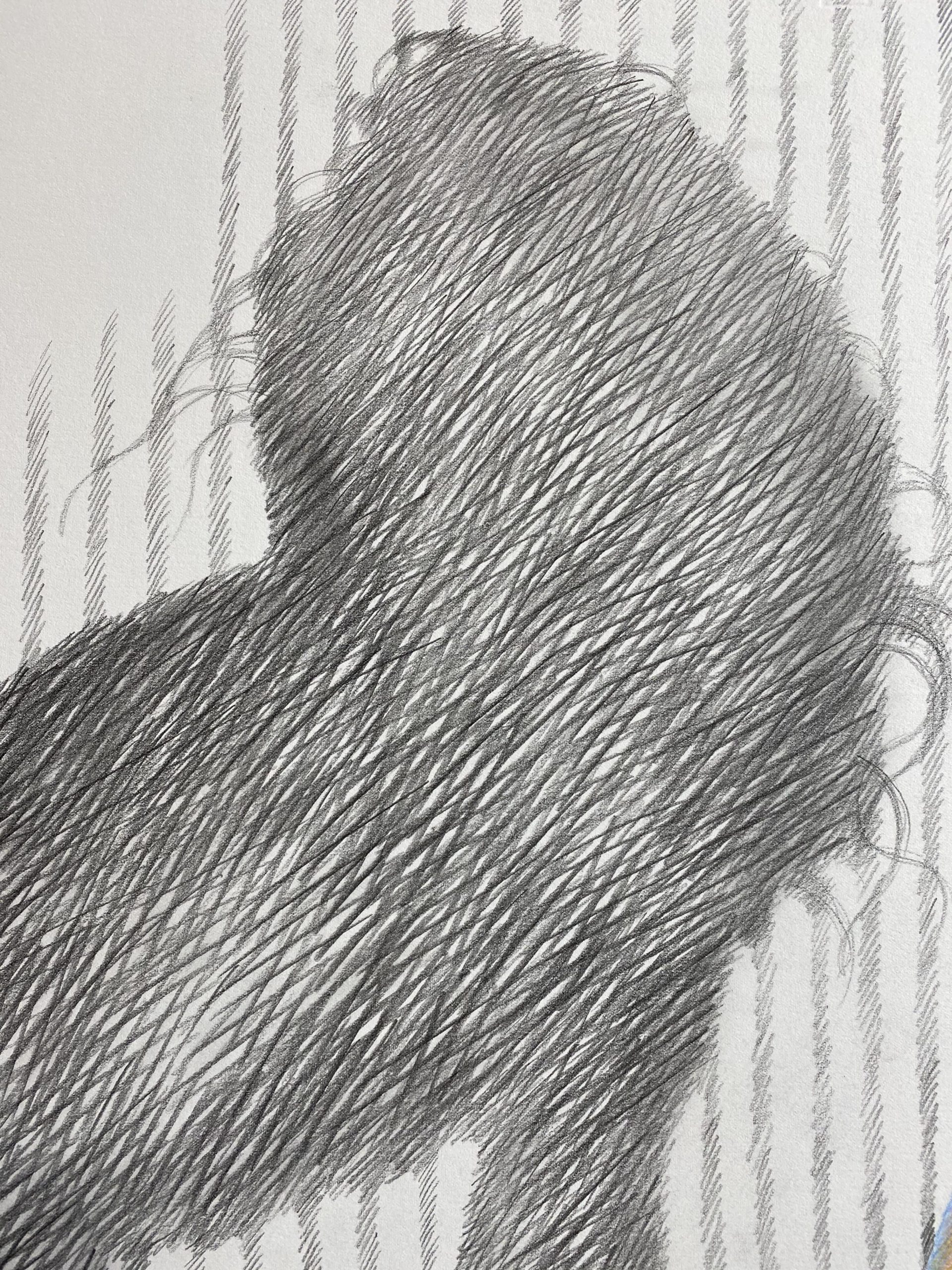
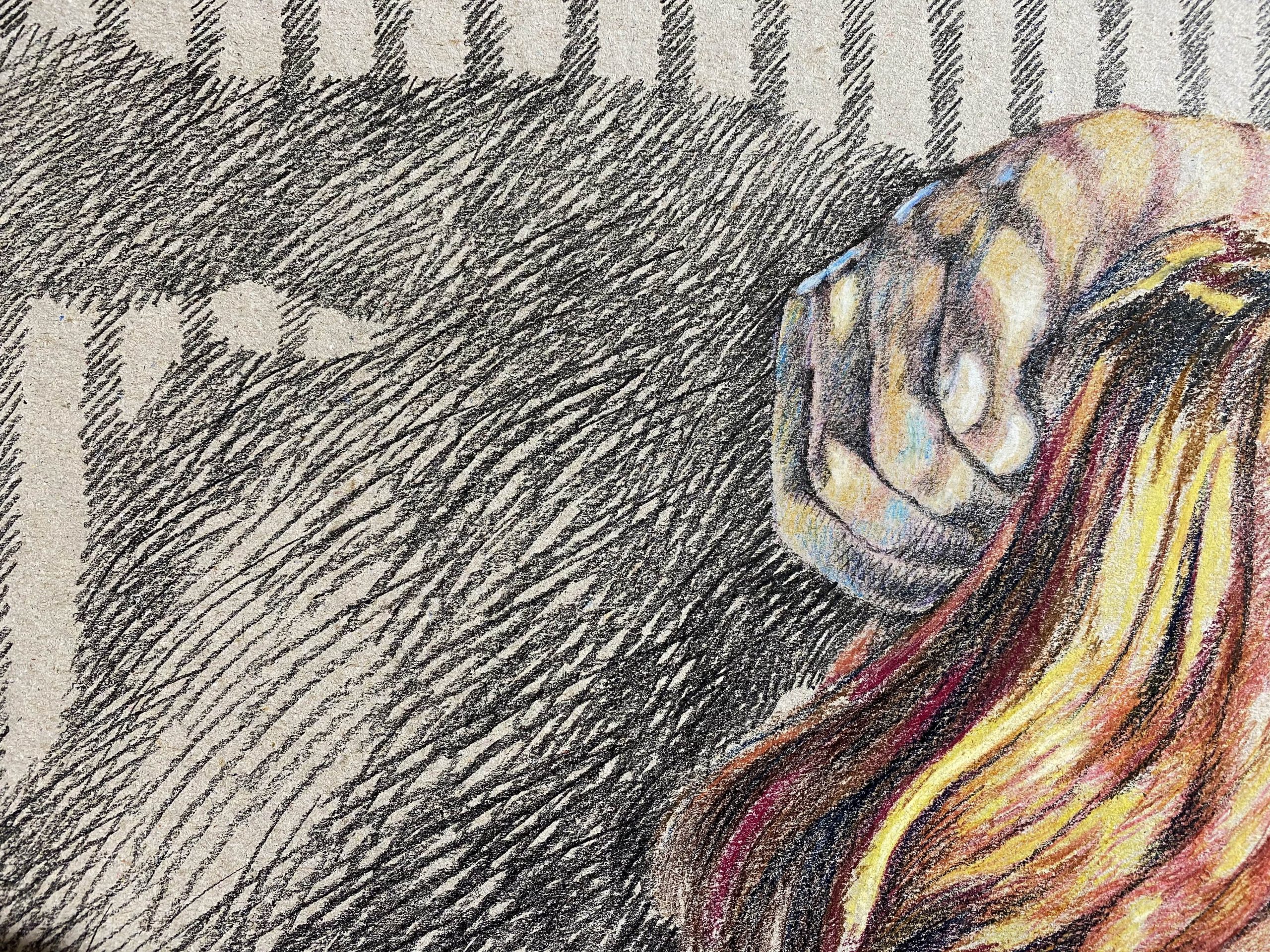
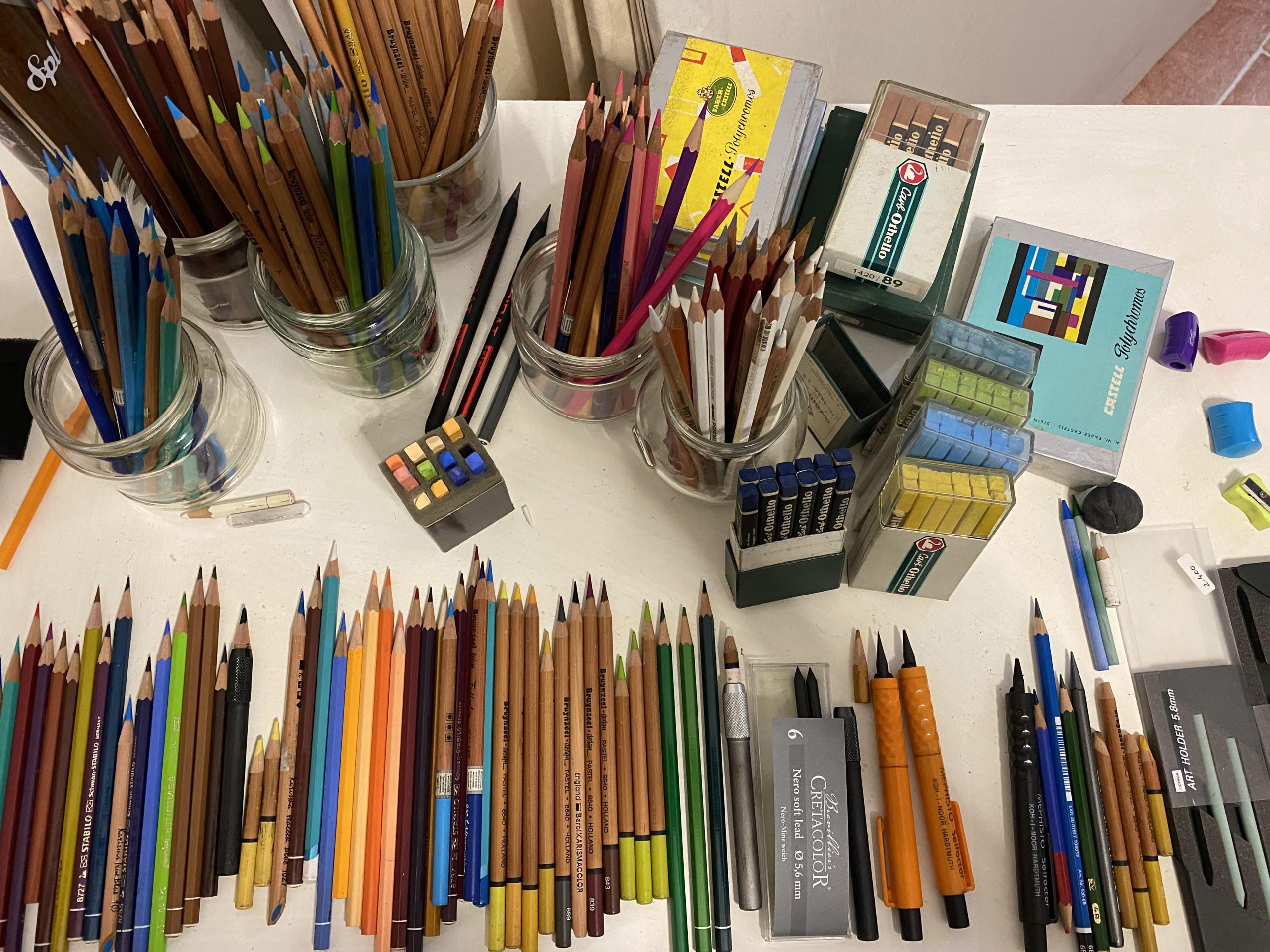
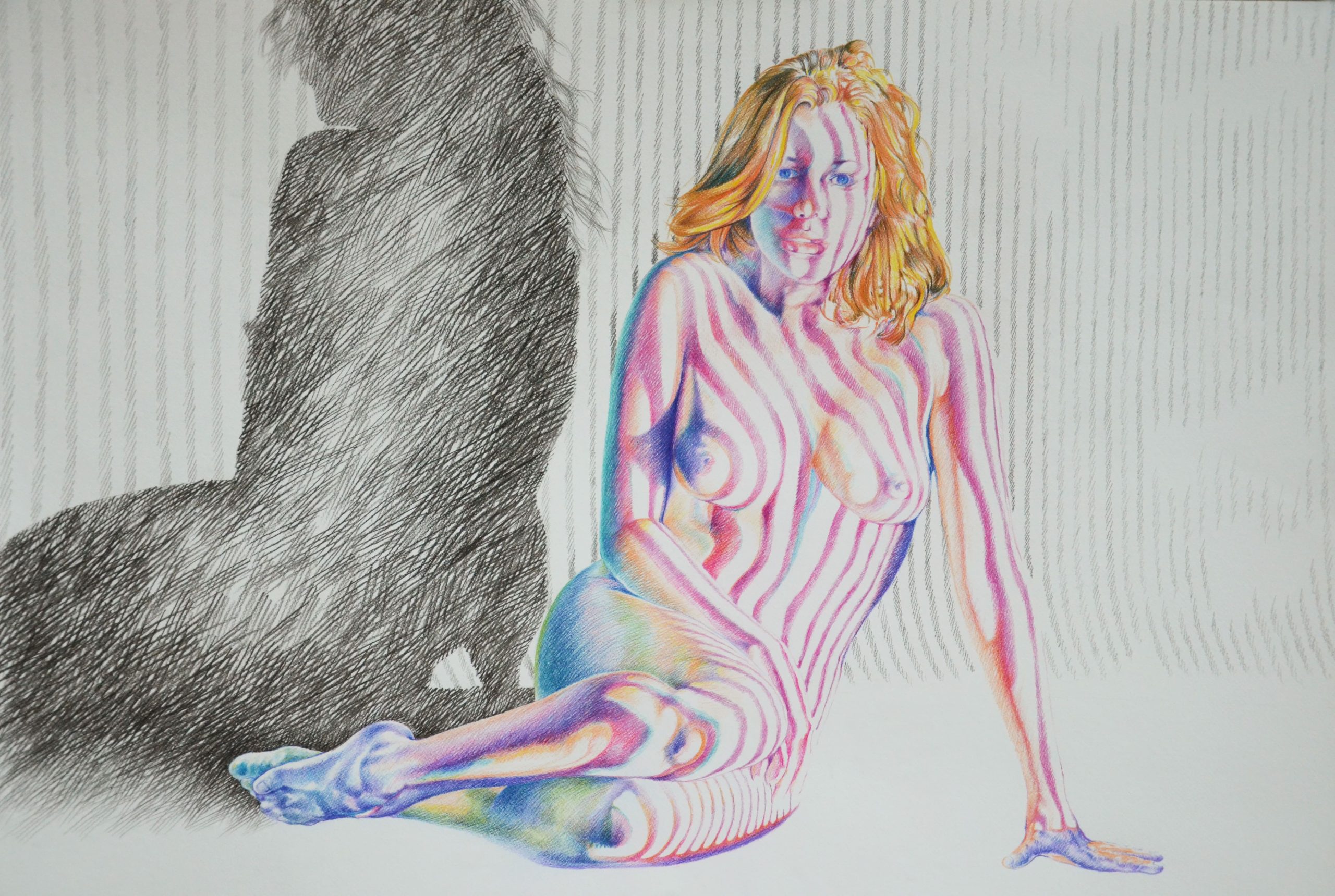
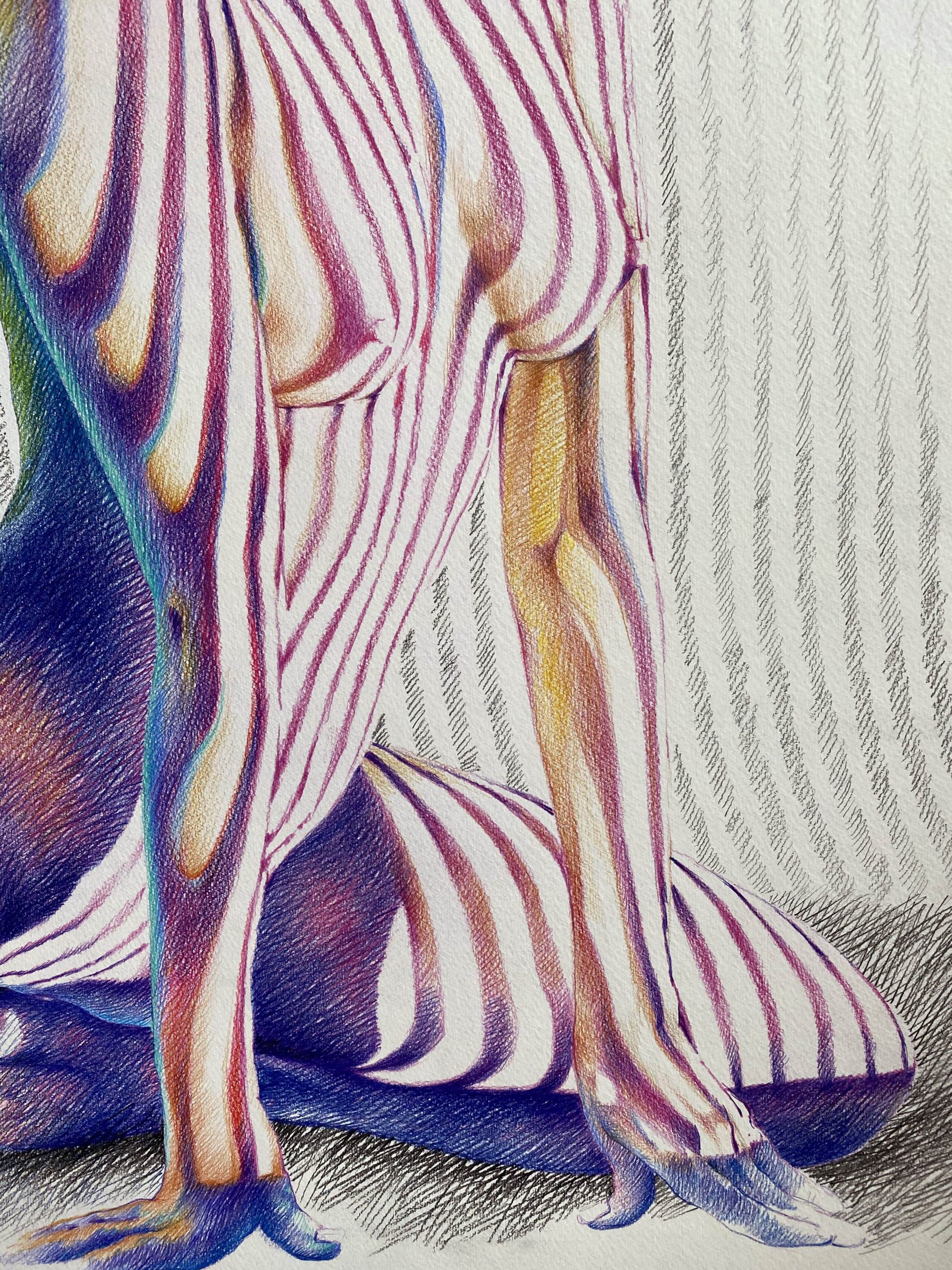
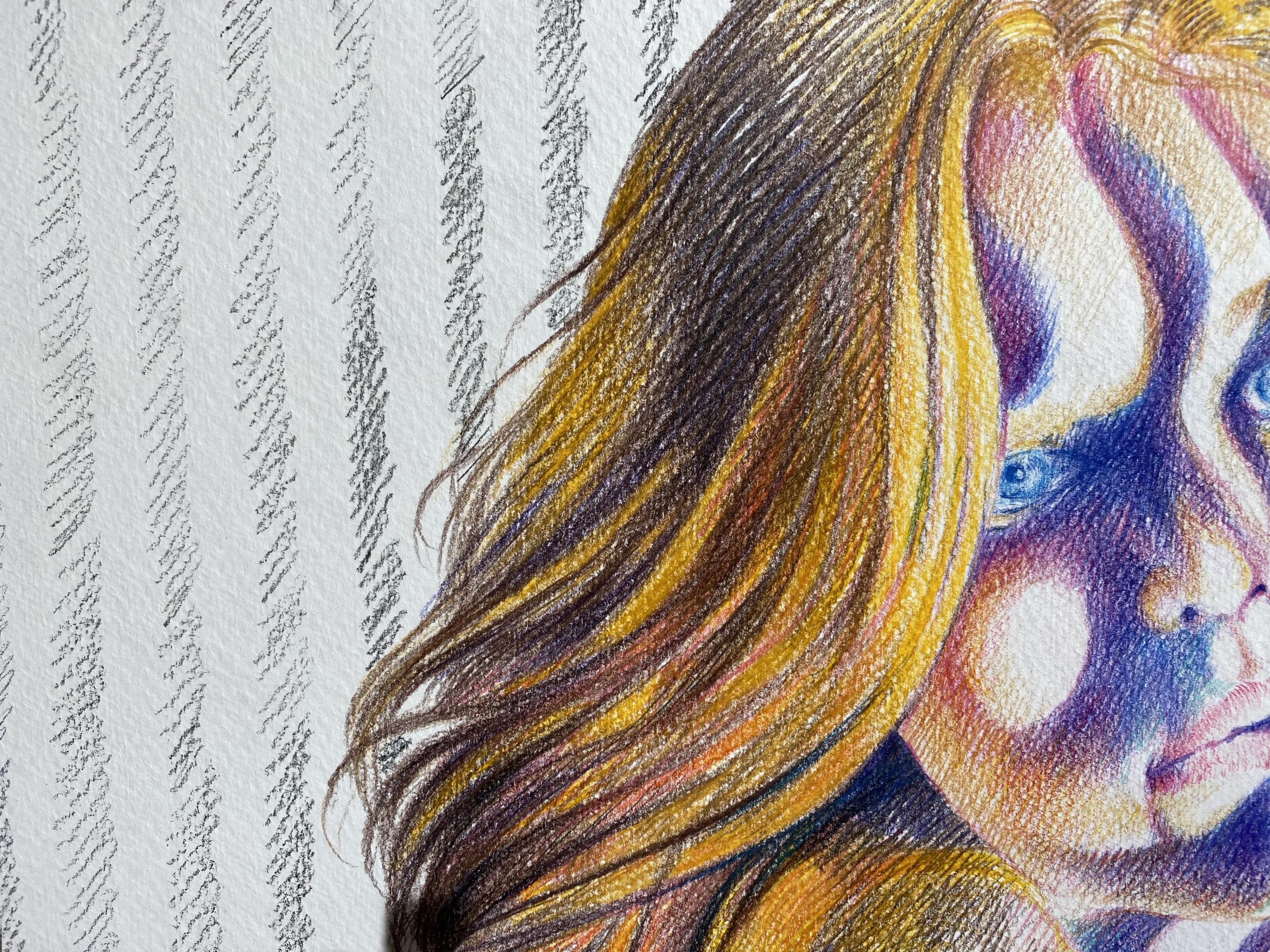
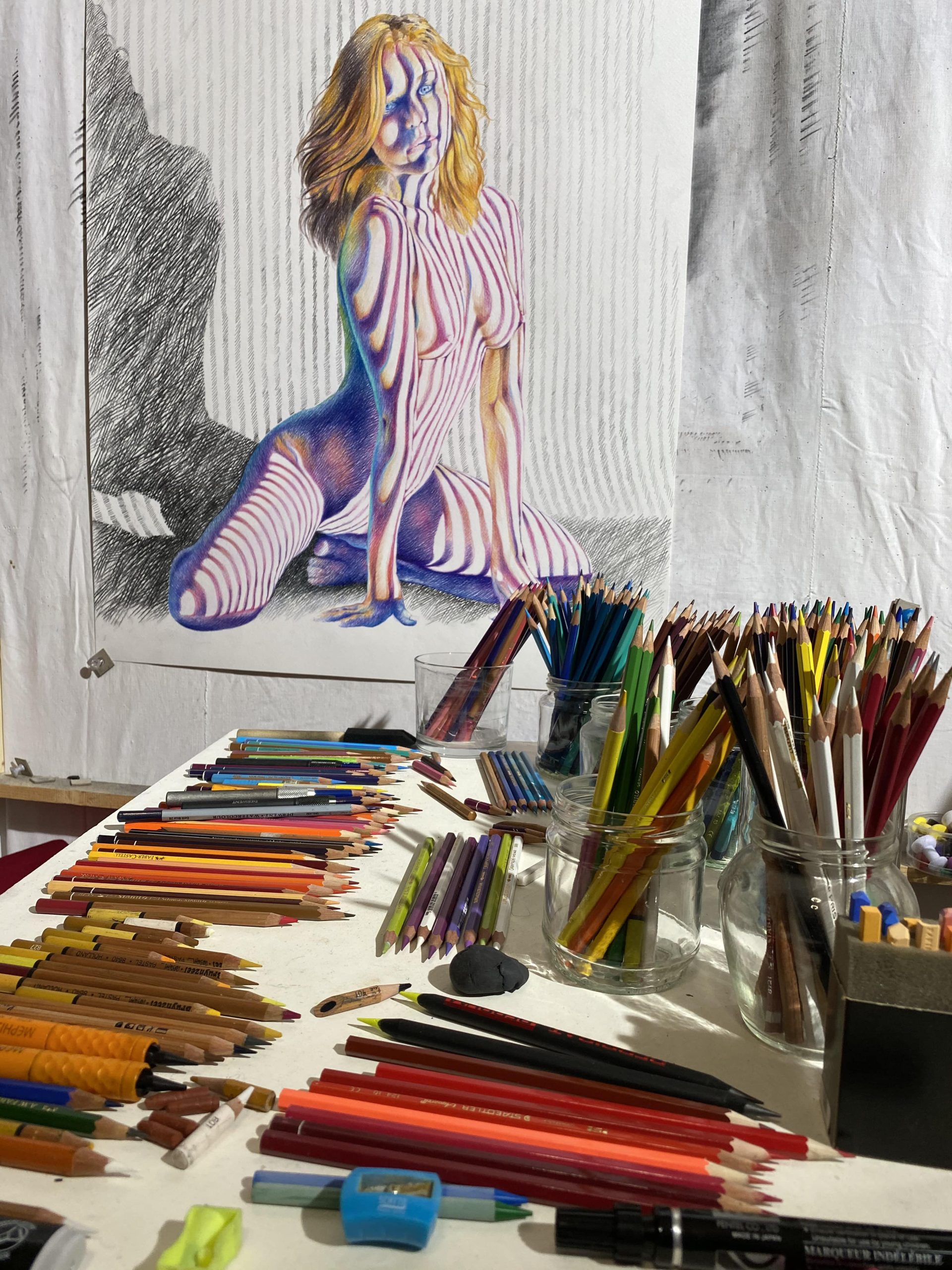
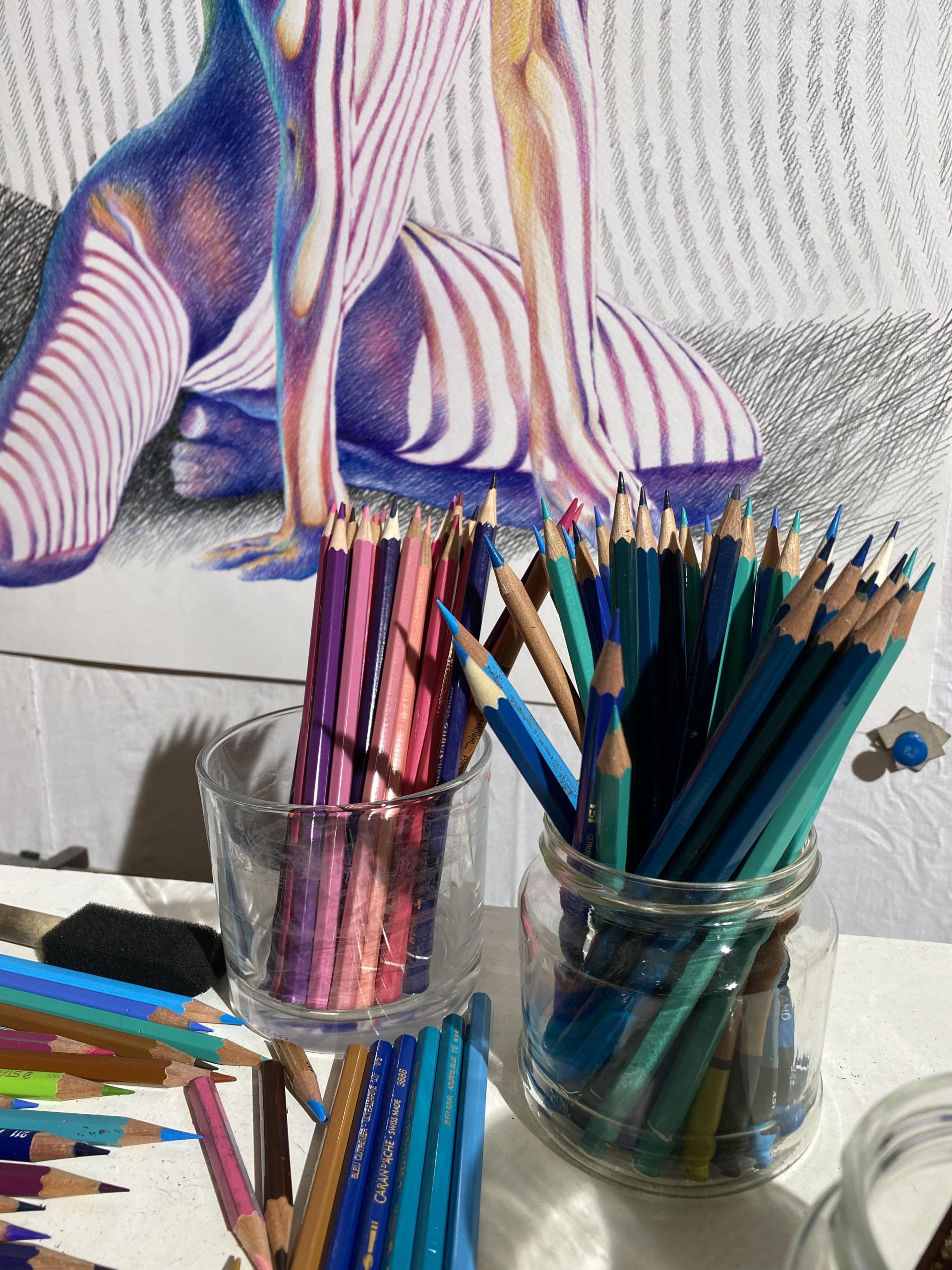
Dettagli
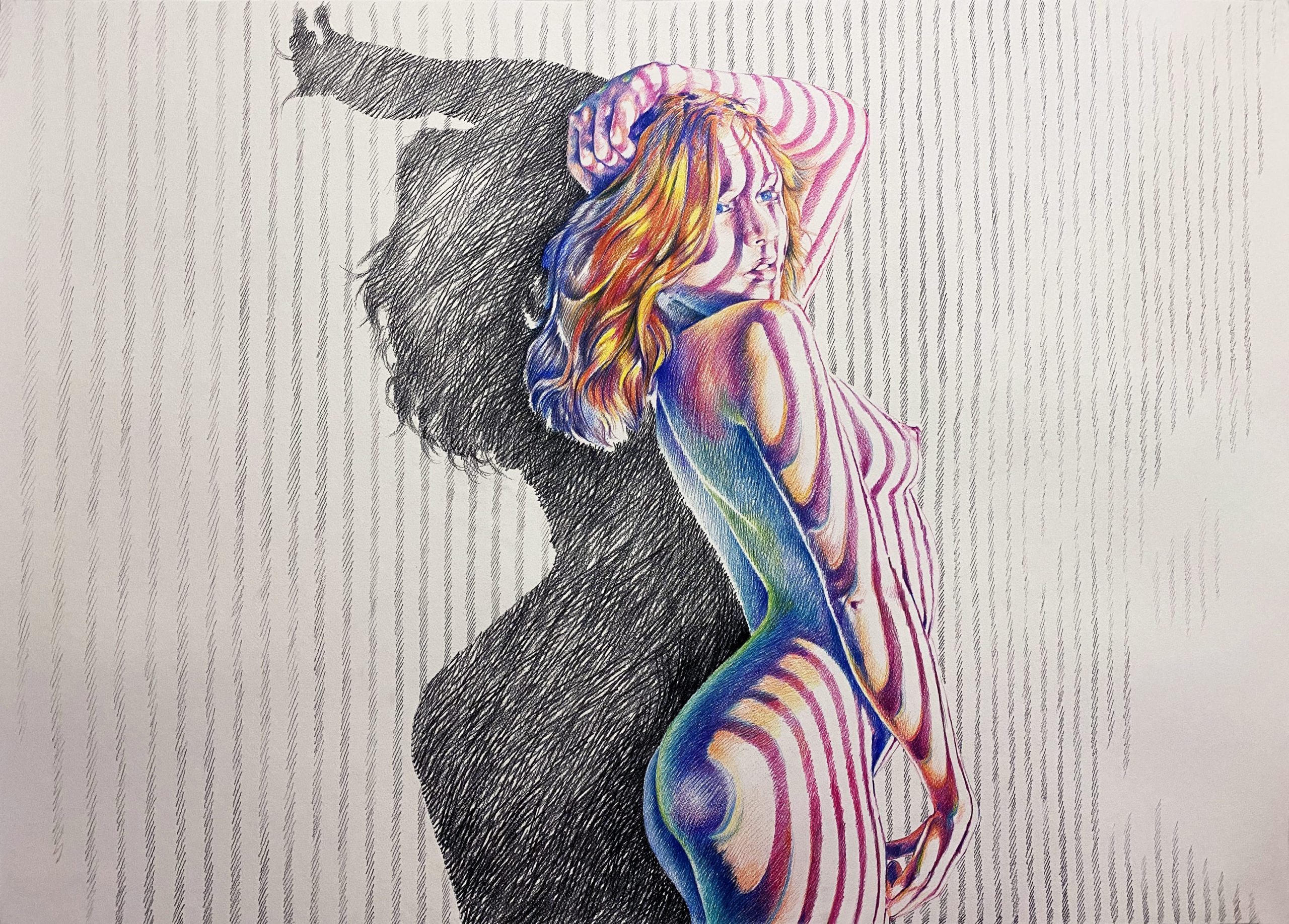
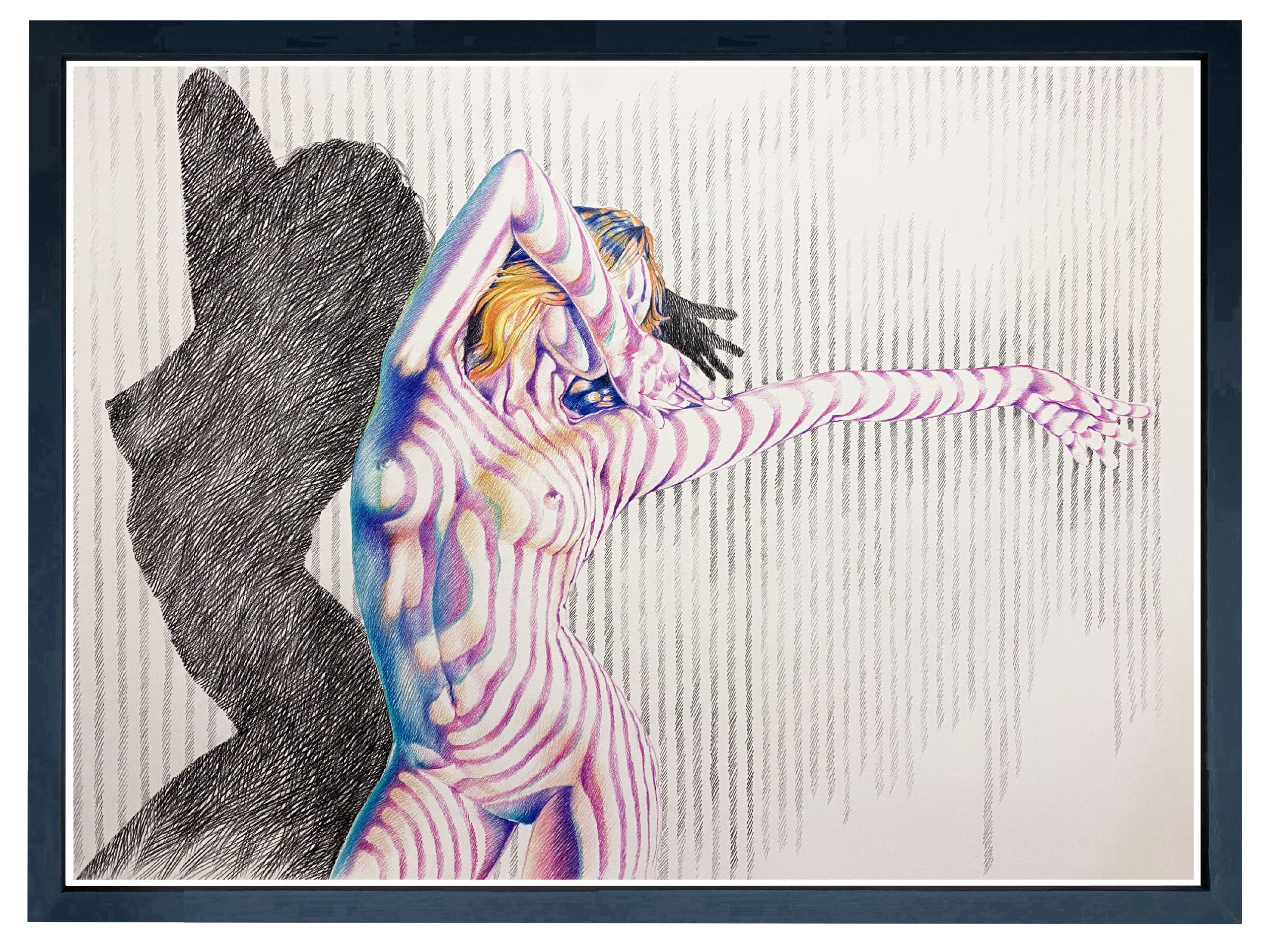
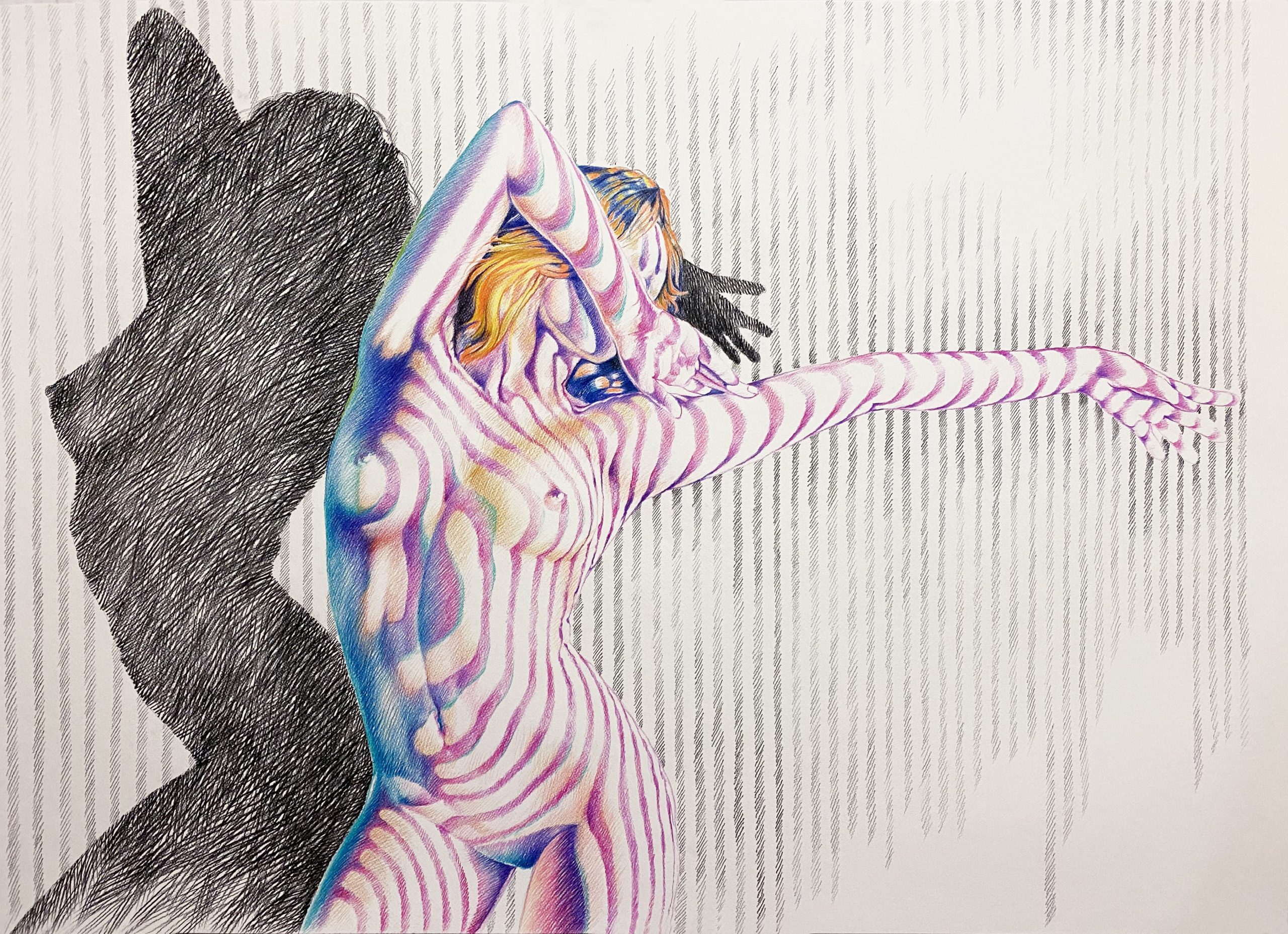
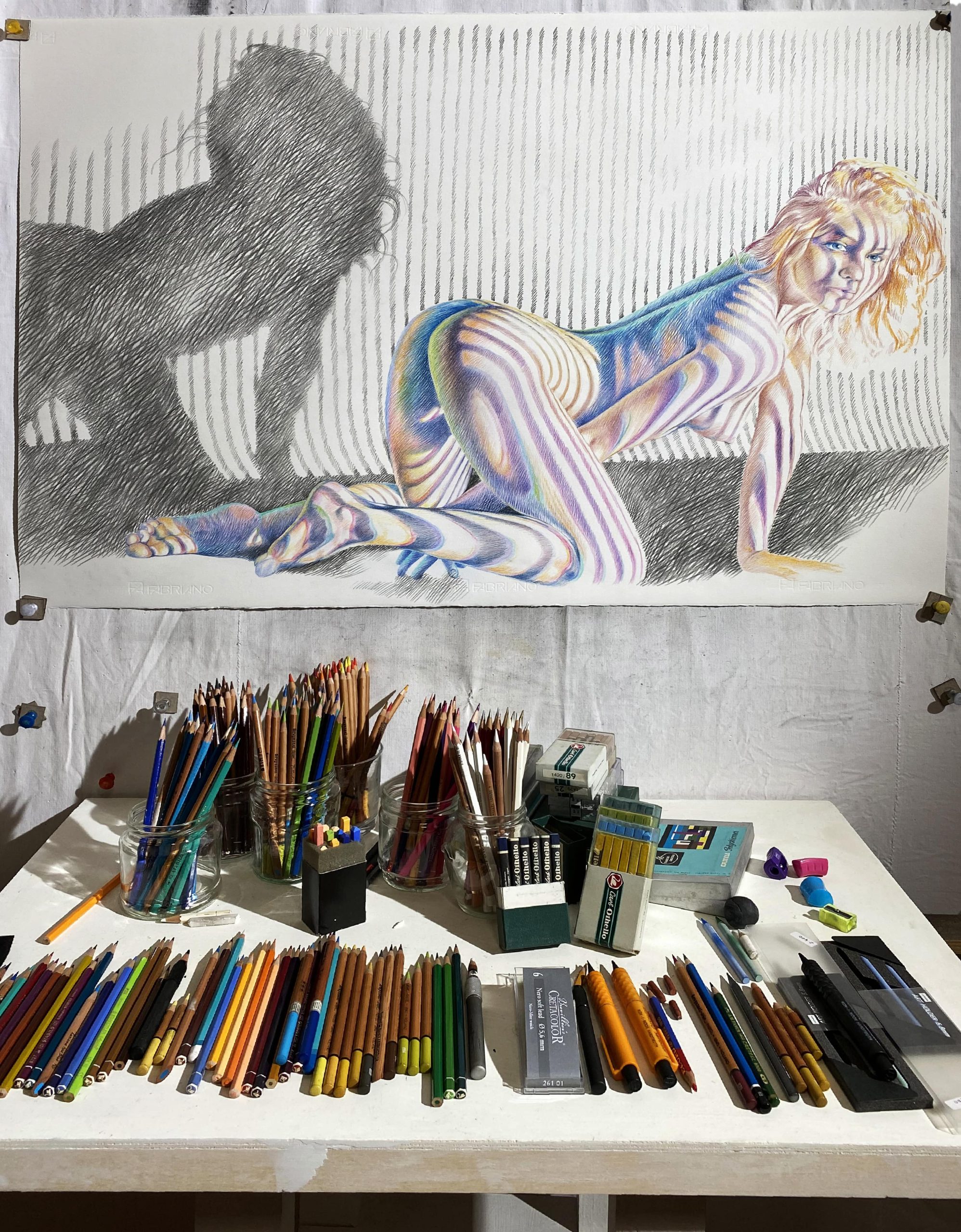
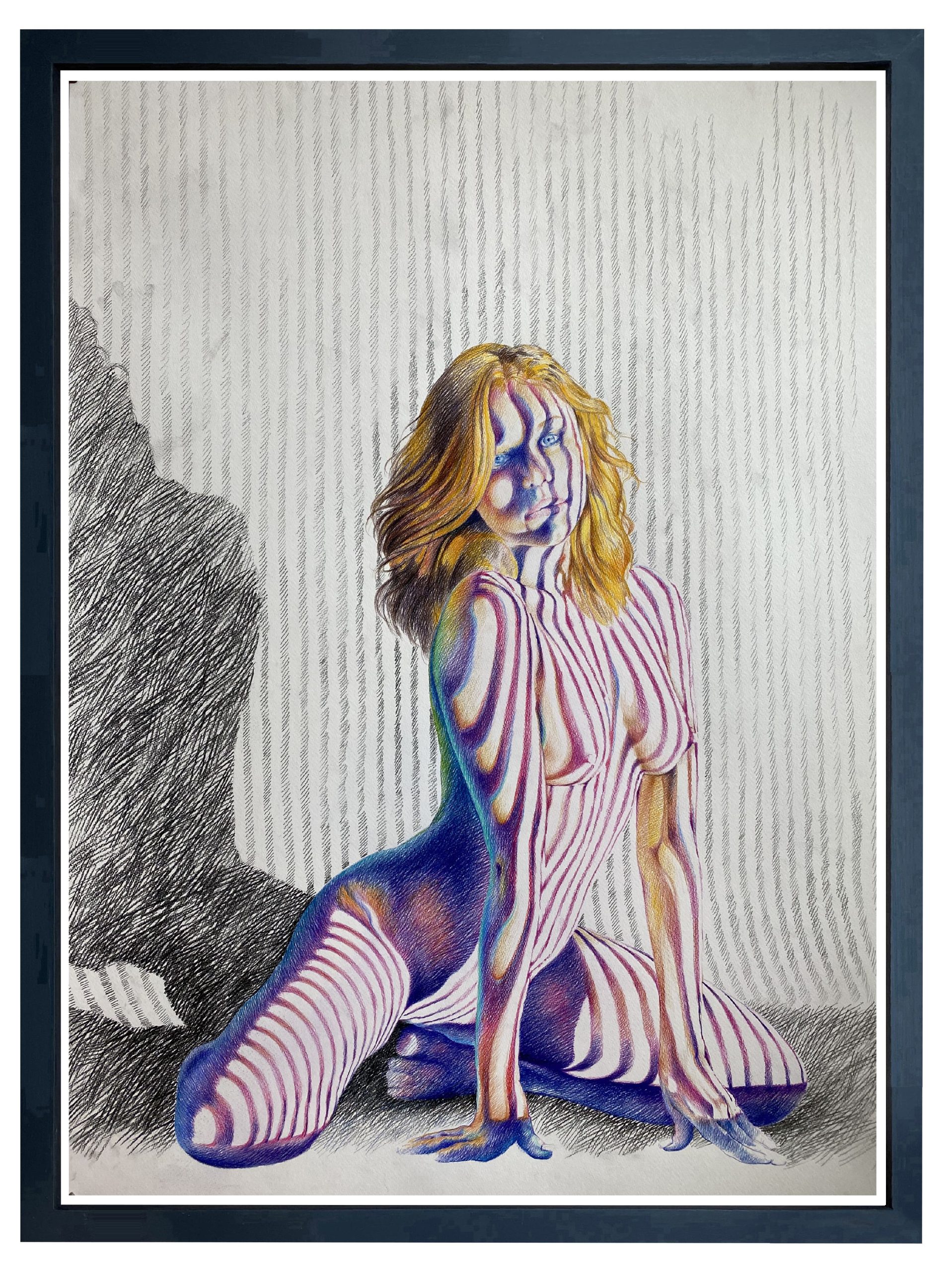
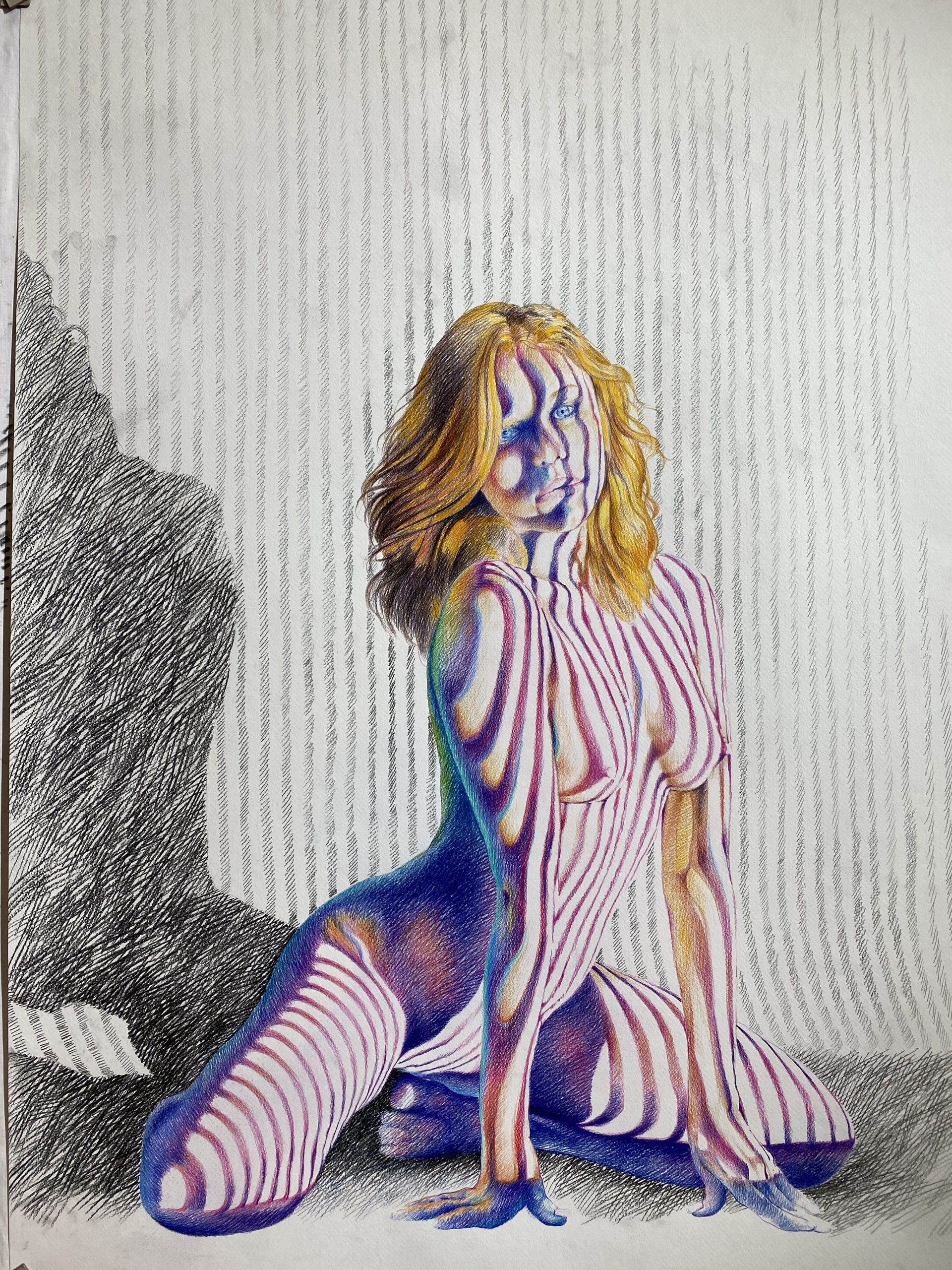
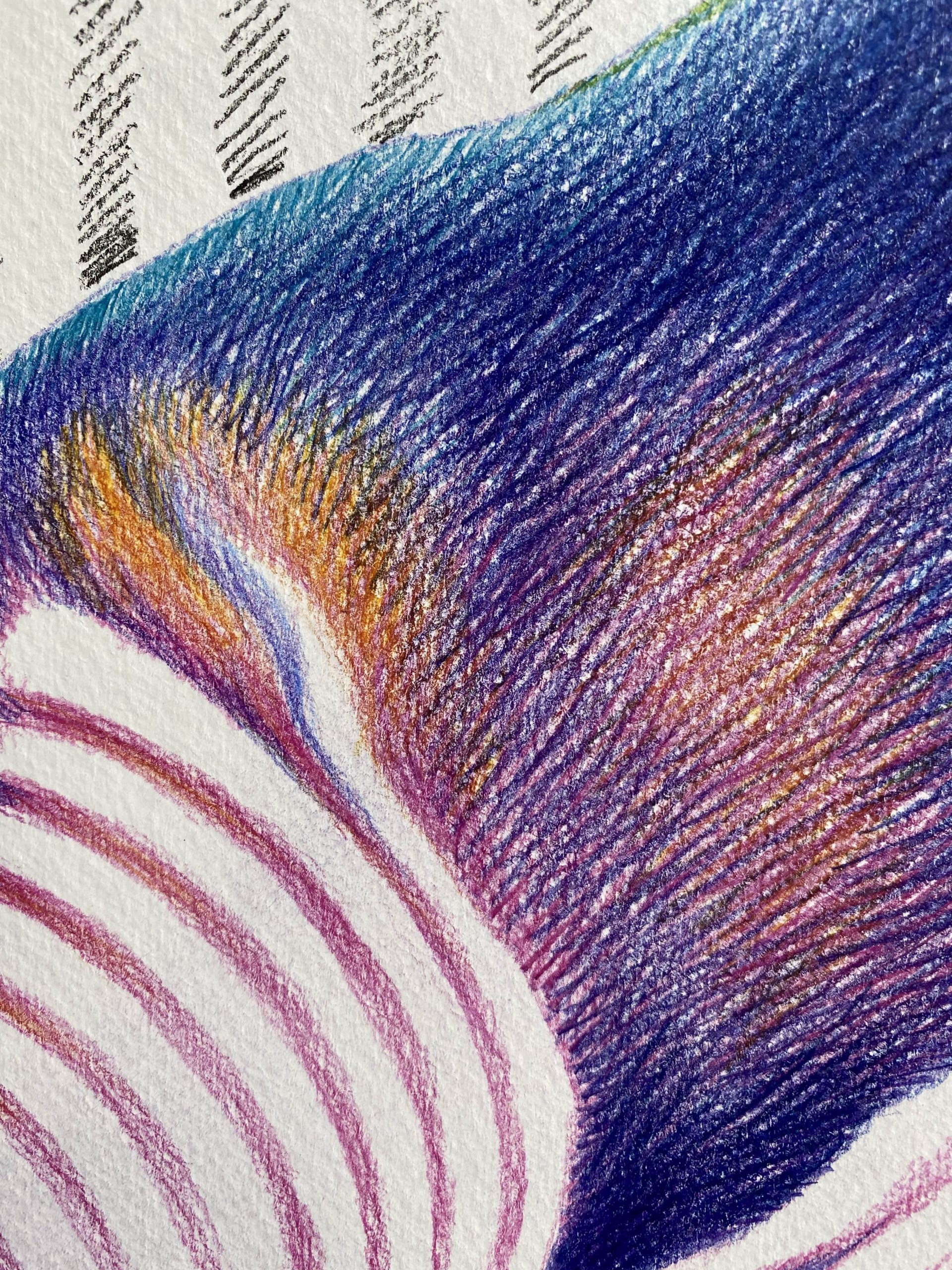
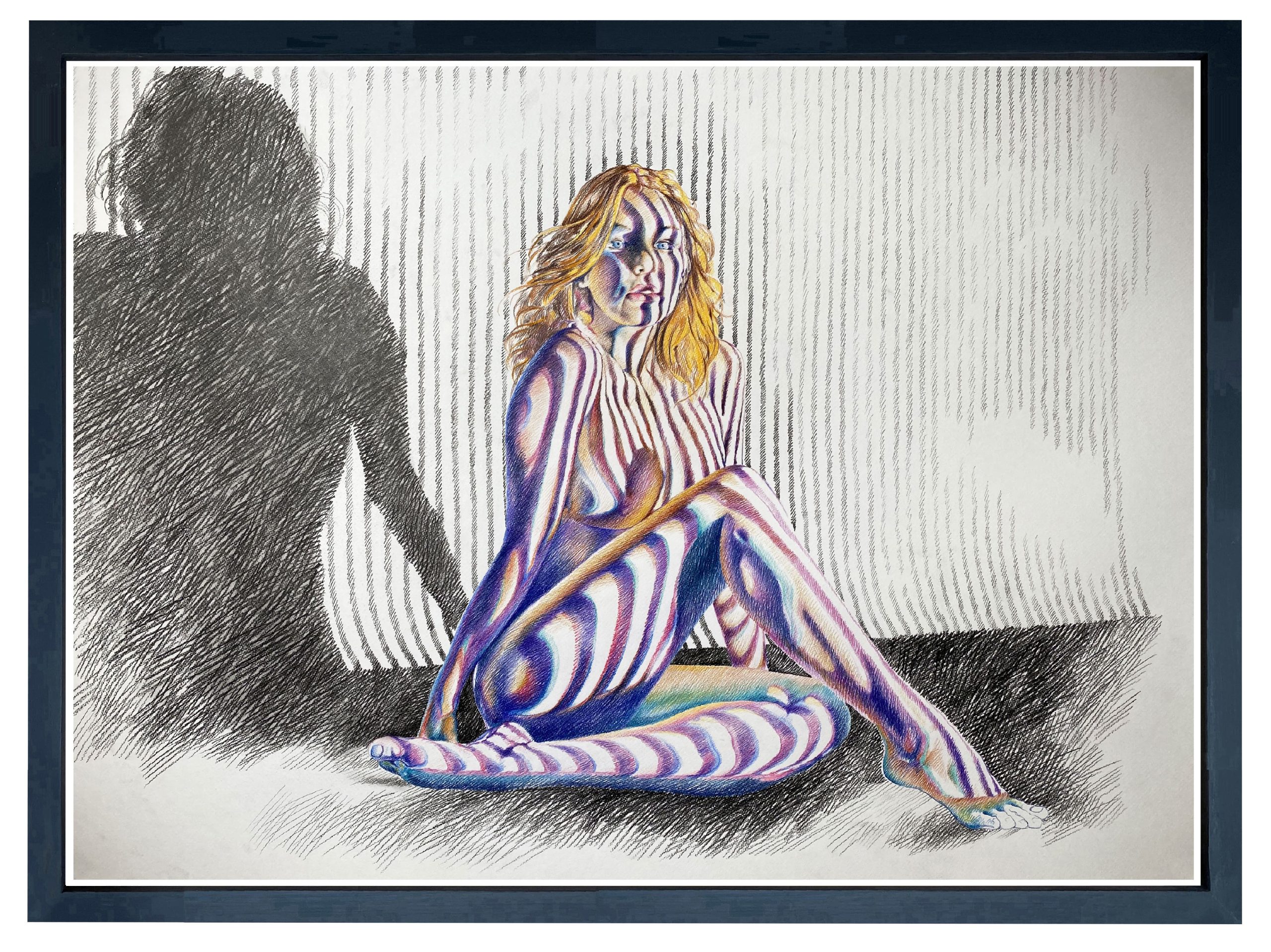
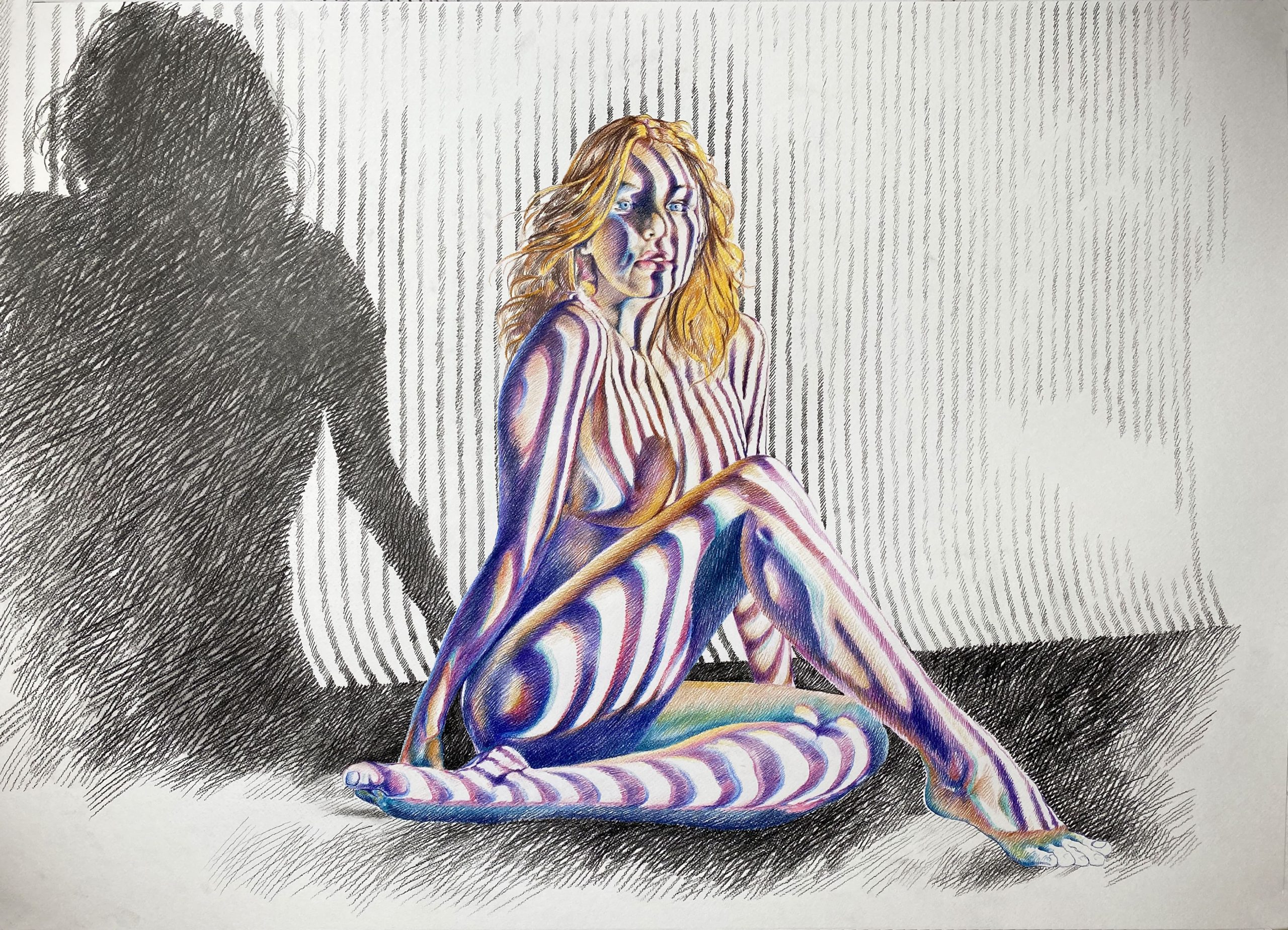
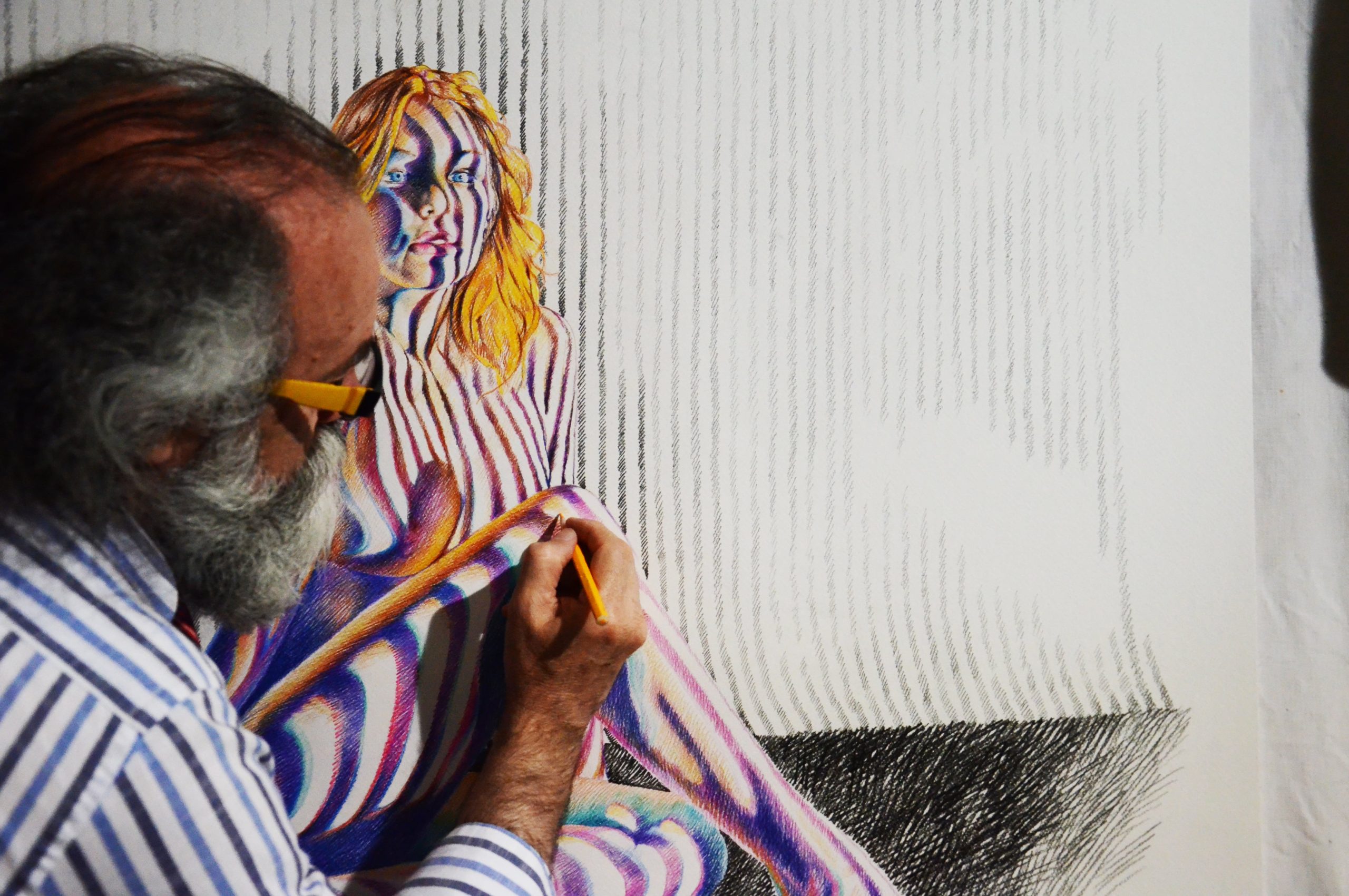
“Subpercezione”
-Per una volta, viene attribuito l’invenzione a una donna, popolarmente chiamata Dibutades o la cameriera di Corinto, non poteva essere solo Dibutades l’artista?
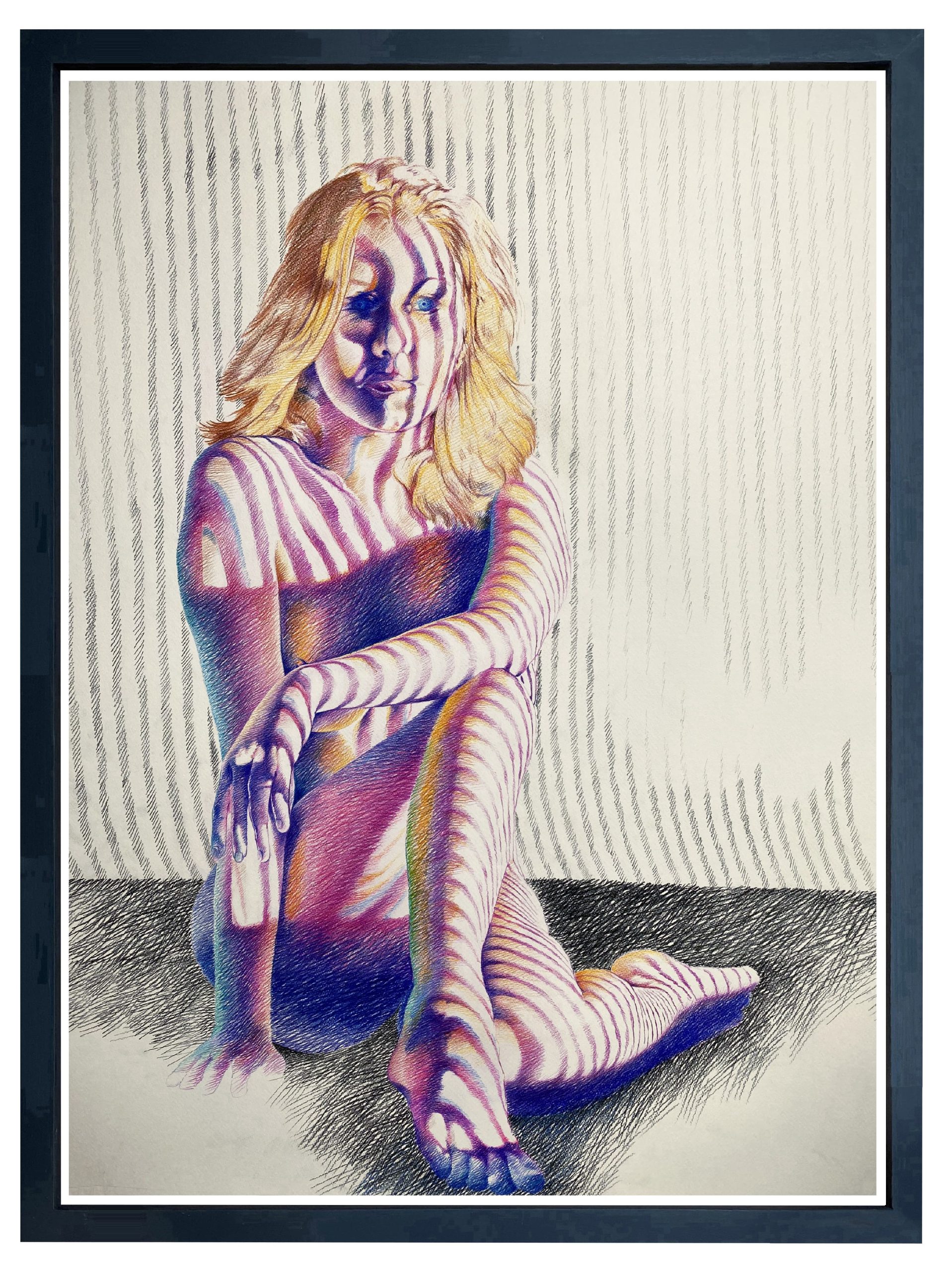
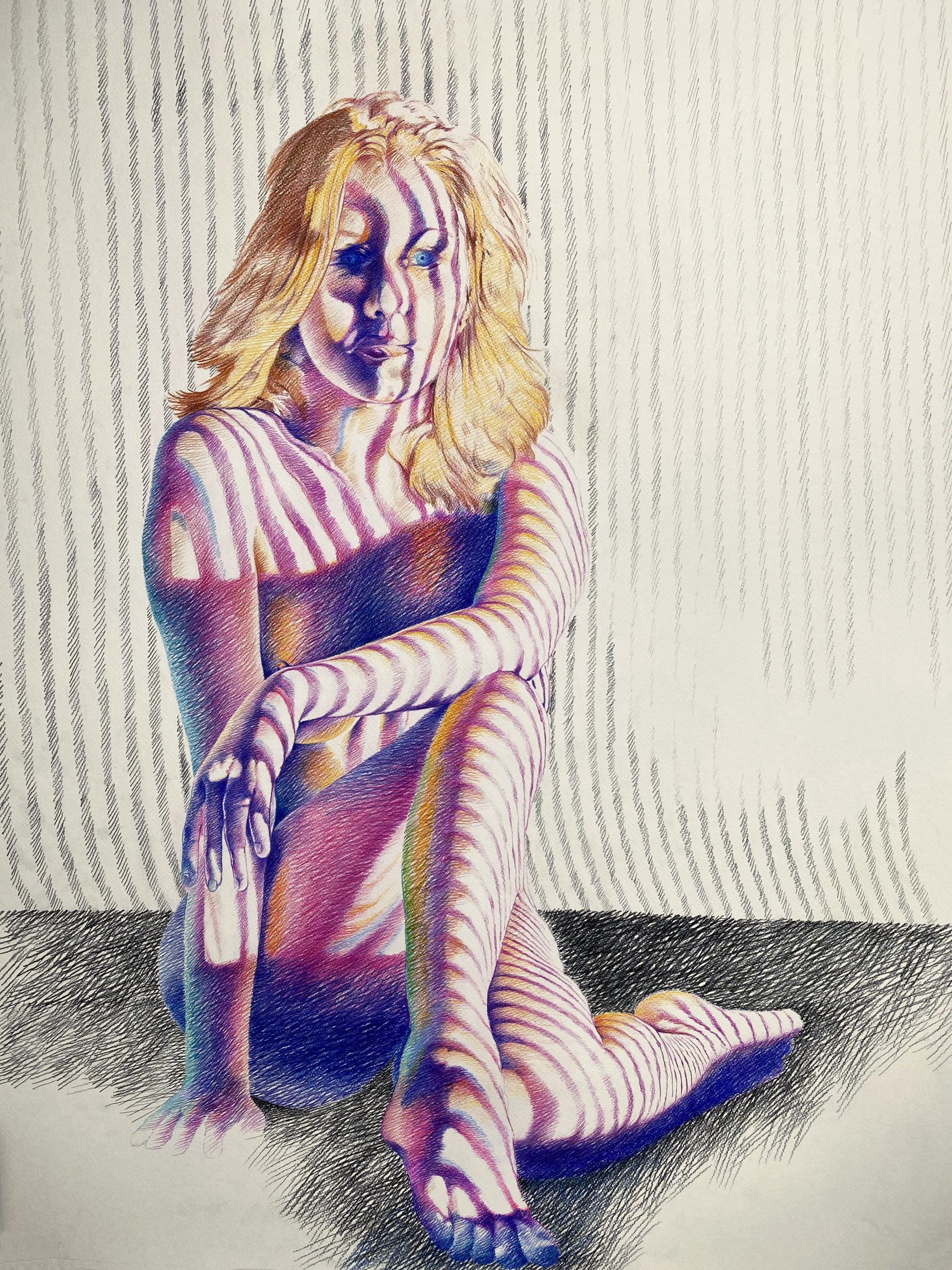
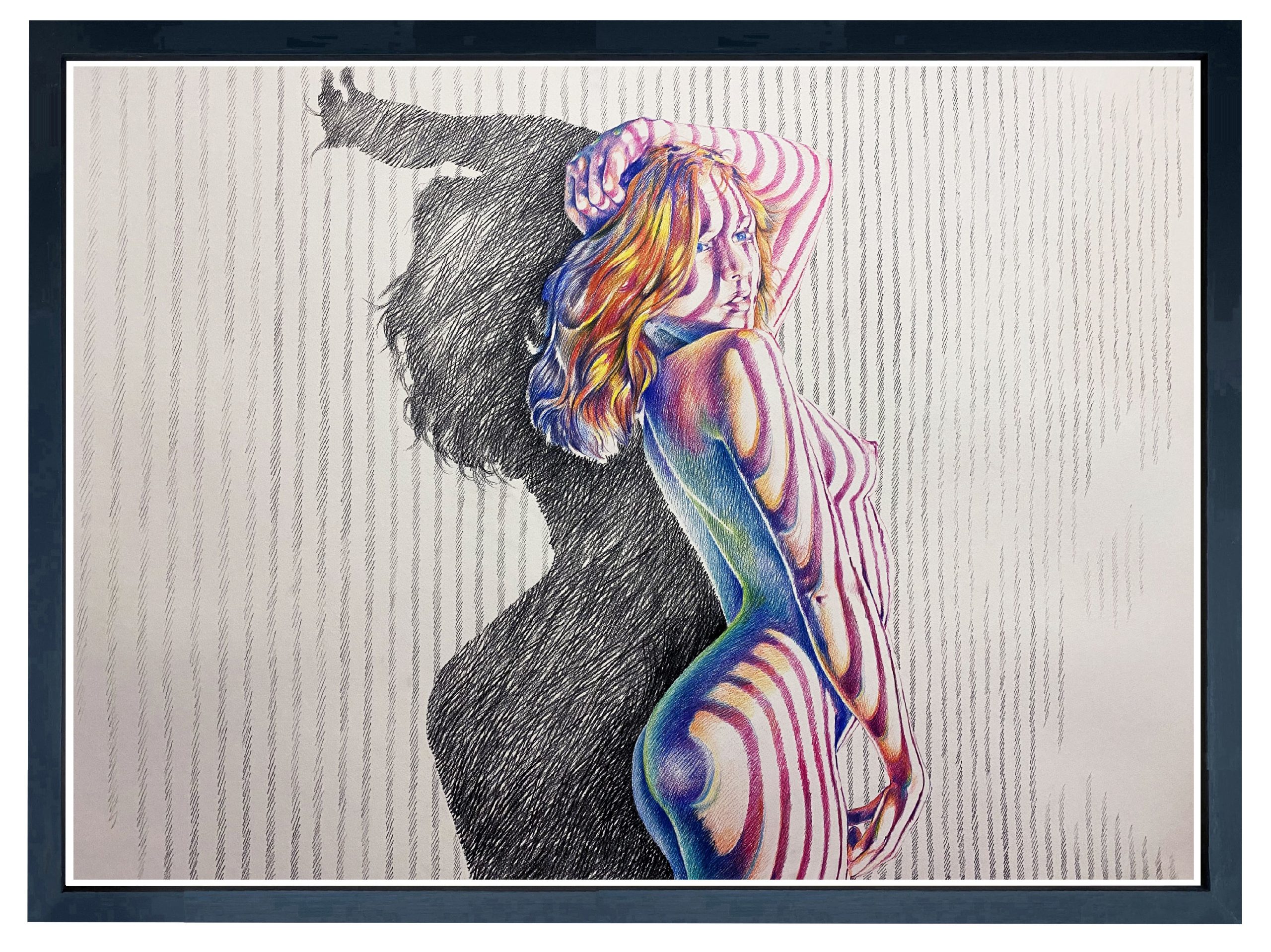
Questo mitico racconto da vita e fa rivivere a colori il mito della pittura, una luce, l’ombra il colore, e l’unico sentimento che fa muovere il mondo, l’amore.
Le frequentazione con i grandi dell’arte e della cultura europea, i profondi innovatori del novecento come vengono citati nello story di Pierpaolo lo attraggono, consapevole però che se ci si avvicina troppo al fuoco può ustionare e quindi da sempre la messa in sicurezza è e si caratterizza costruendo un proprio segno, cercando di trasportare su tutte le tecniche e i sistemi coinvolti per raggiungere una coerenza, considerando l’aspetto visivo, psicologico e linguistico per il fine concettuale.
Questo ultimo concetto si riaggancia agli studi fatti a Monaco in Germania sulla Bauhaus, dove il concetto e la filosofia dell’essenzialità, modernità, uguaglianza, attenzione al colore e alla forma sono i principi cardini, con la celebre frase di Sullivam “la forma segue la funzione”.
Gli studi effettuati nell’ambito ottico visivo con i suoi procedimenti percettivi, potere induttivo, sperimentati su varie tecniche, serigrafia, fotografia, montaggi ed elaborazioni grafiche, basandosi sulla psicologia della forma i risultati li possiamo notare in questi lavori su carte speciali. Le teorie accumulate a lezione poi con Bruno Munari a Milano e alla Kunste Akademie der Bildenden Munchen con filosofia Bauhaus, spingono Ramotto a fondere molti elementi tra loro, prima in assoluto la luce, il colore, la forma e le nuove tecnologie per raggiungere i risultati pensati in fase di progettazione. La serie di opere sulla polisensorialità tra arte, grafia, fotografia, pittura e modellazione, sono la dimostrazione dove la creatività e la conoscenza di tecniche viene messa in pratica e portata agli estremi da Pierpaolo, senza snaturare mai il suo carattere iniziale, identificativo, caratterizzante e coerente. Il superamento dei confini tra opere astratte e figurate, tra pittura e scultura, tra fotografia e video per la visione di Ramotto sono una sola cosa, se la regola d’arte è onorata.
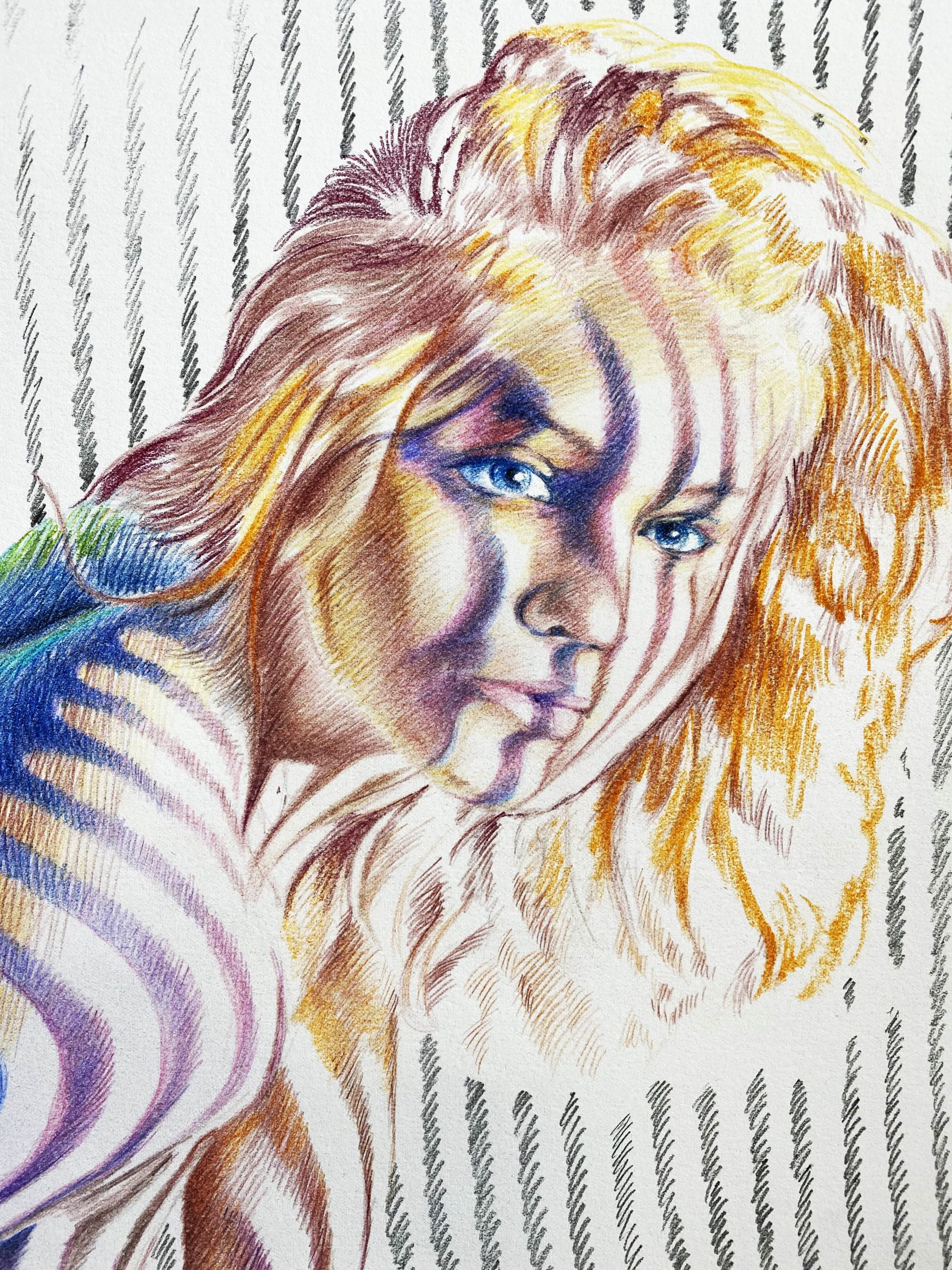
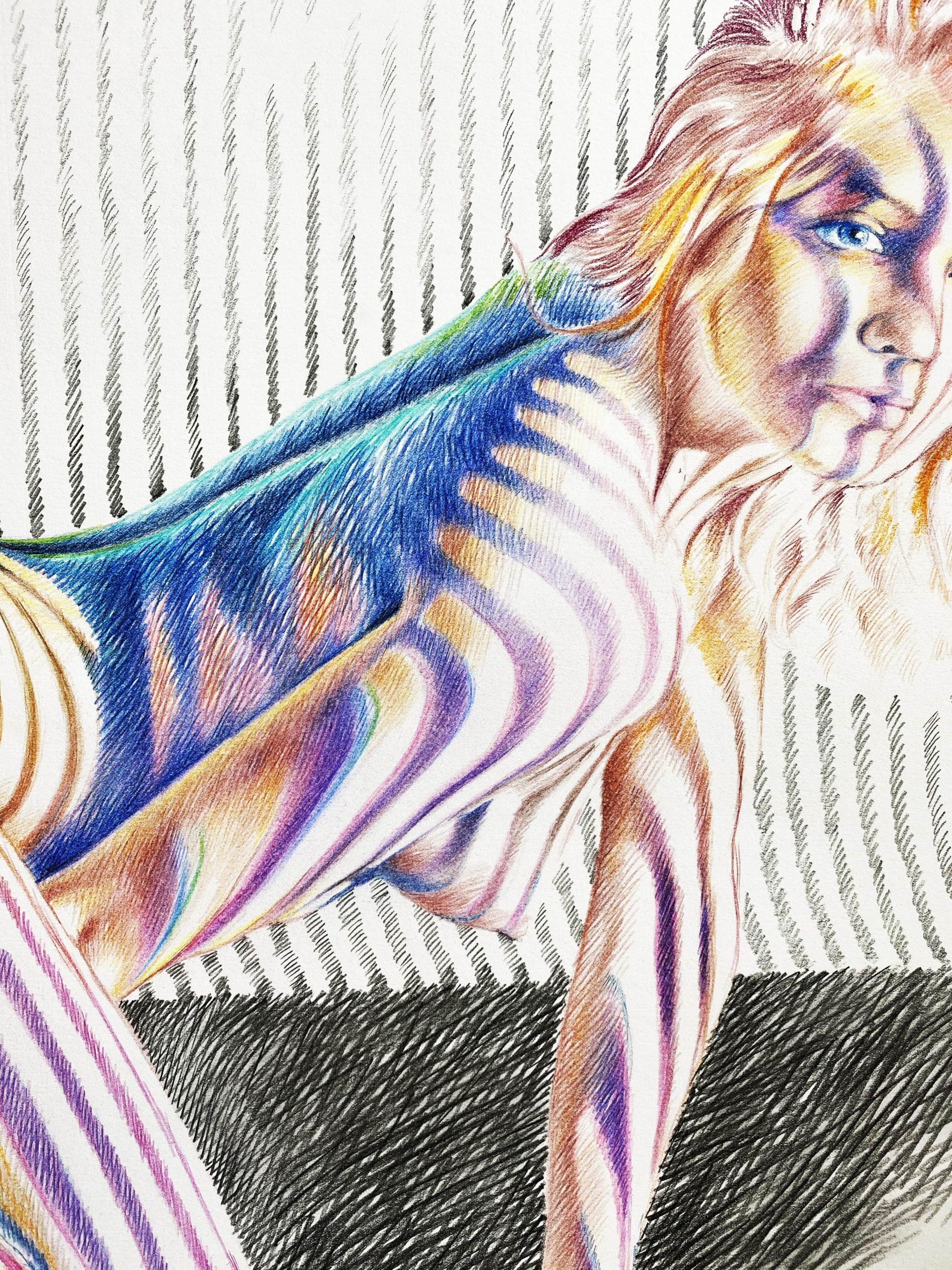
Pierpaolo è figura poliedrica che si muove sul sottile confine che lega l’arte e le sue tecniche, sfruttando le stesse sia manualmente che concettualmente, Pierpaolo è la generazione di artisti che scoprono e utilizzano i possibili linguaggi di queste tecniche spinte al massimo possono aprire verso l’astrazione e l’artista risolve con un concetto filosofico antichissimo ma sempre attuale, “l’opera in se è un illusione o allusione al reale”, in questo concetto si può racchiudere la serie di lavori, con chiaro rimando al mito della pittura. La “Subpercezione”, è una delle categorie entro cui l’artista fa ricadere sulla “Subpercezione” una visione subliminale che sfrutta capacità “laterali” della mente nella visione dell’opera, ricostruendo i pezzi mancanti sulla base della propria preparazione culturale e visiva, la vista, la retina e la velocità di percezione fanno il resto.
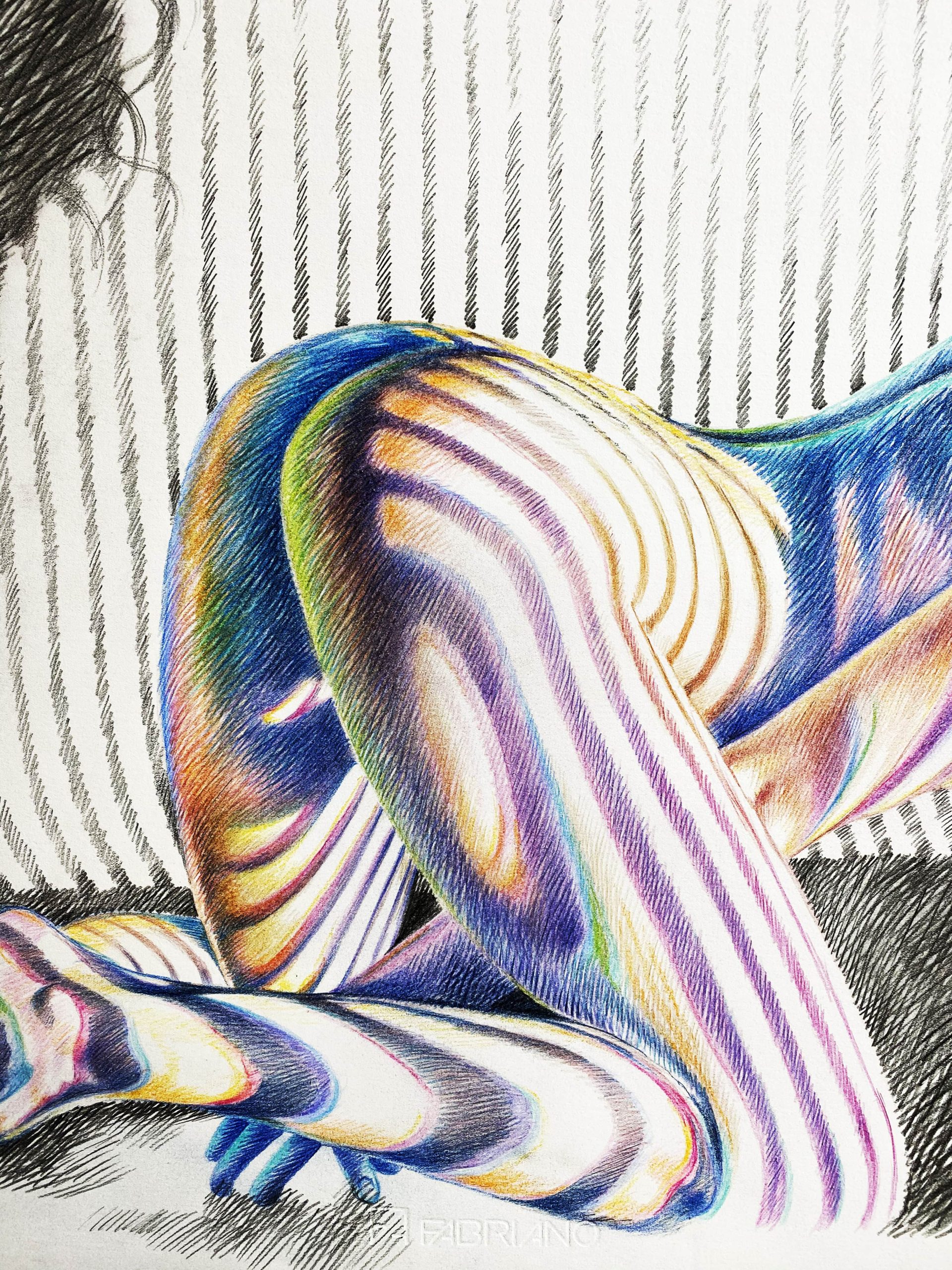
Questo tipo di lavori, e la sua produzione, si basano sulle conoscenze di anamorfismo e astrazioni, regolarmente controllate e gestite al ritmo di segni come in uno spartito dove viene scritta la musica su righe ben delineate, così i cinque segni per tre inclinazioni diventano una scrittura armonica che concilia, numerologia, astrazione, ritmo, ombra e luce nello spazio dall’antica provenienza, con l’ausilio di programmi e algoritmi gestiti dalla conoscenze delle precedenti materie e tecniche nascono i segni di luce, una fotografia che non è più foto ne grafia, ne pittura un nuova immagine.
I primi esemplari di questi lavori sono dedicati a una serie di concetti chiave del pensiero, per lo più giocati sull’opposizione: ‘bianco e nero’, ‘bene e male ’ ‘verità e menzogna ’, ‘natura e cultura ’, ‘sacro e profano ’, ‘sogno e realtà ’, ‘volontà e destino ’, ‘verba et res ’; l’ultimi lavori, che concludono la serie invece è intitolato alla “lucida follia” perché senza di essa il mondo dovrebbe fermarsi a riflettere.
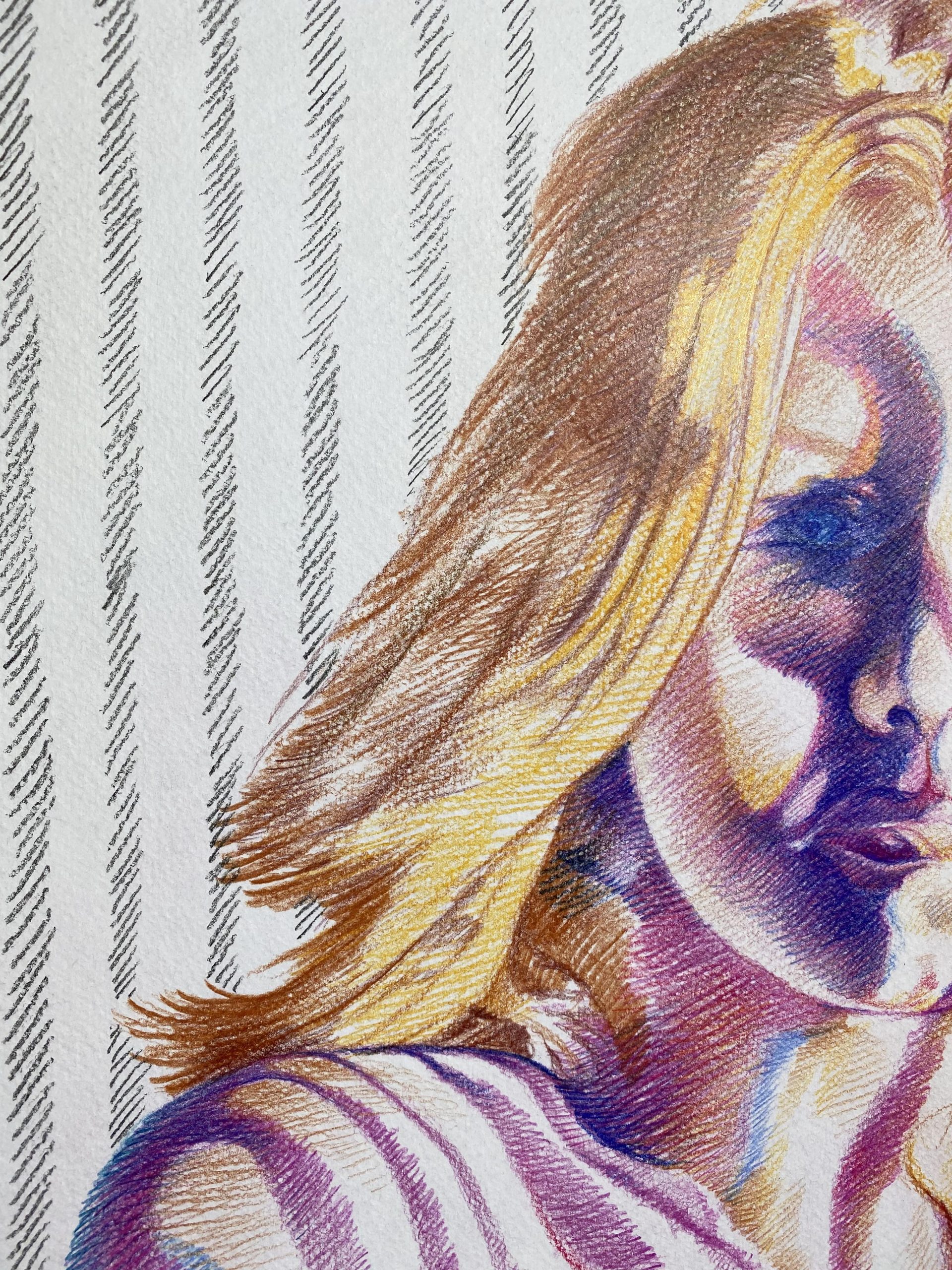
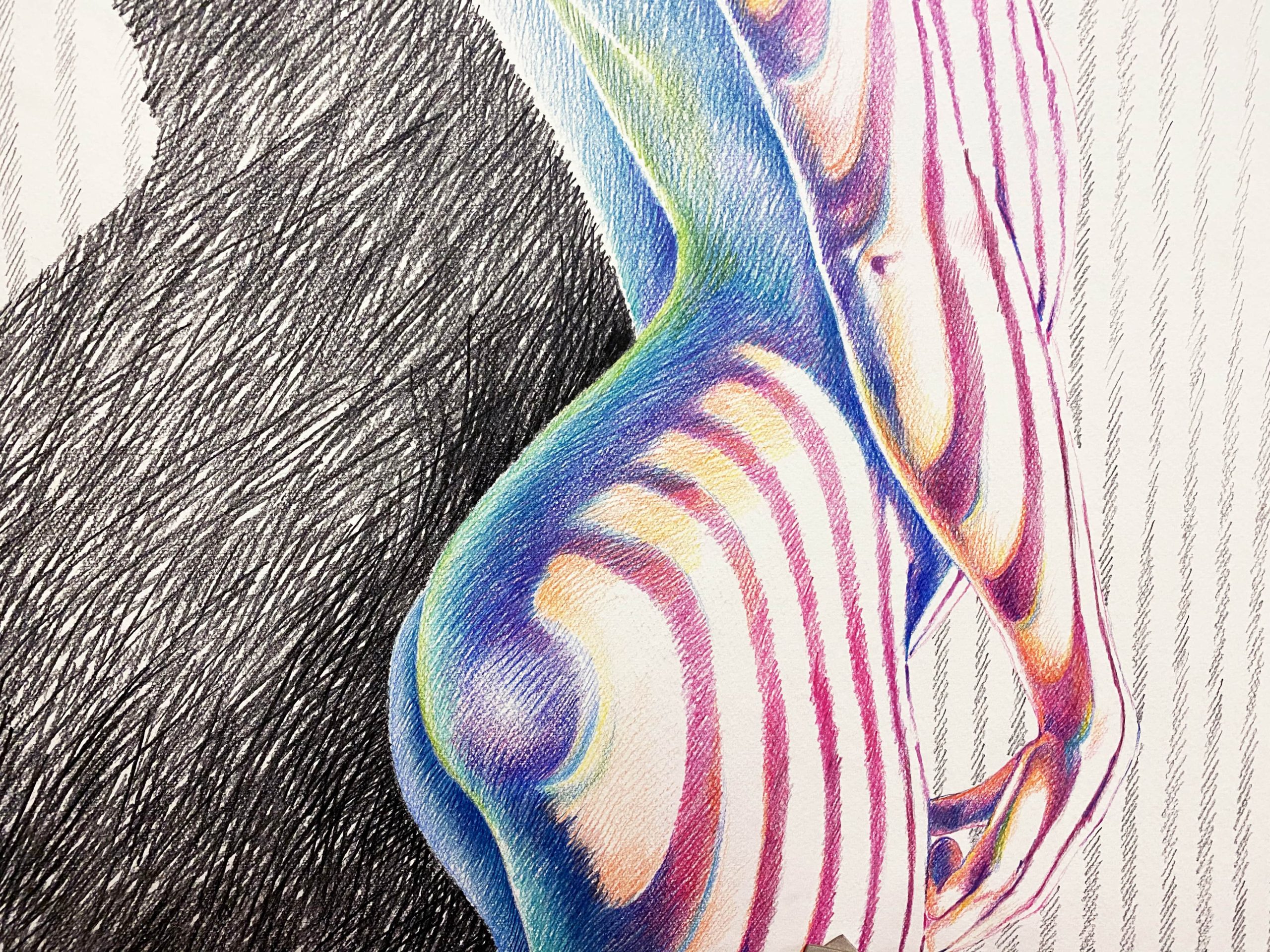
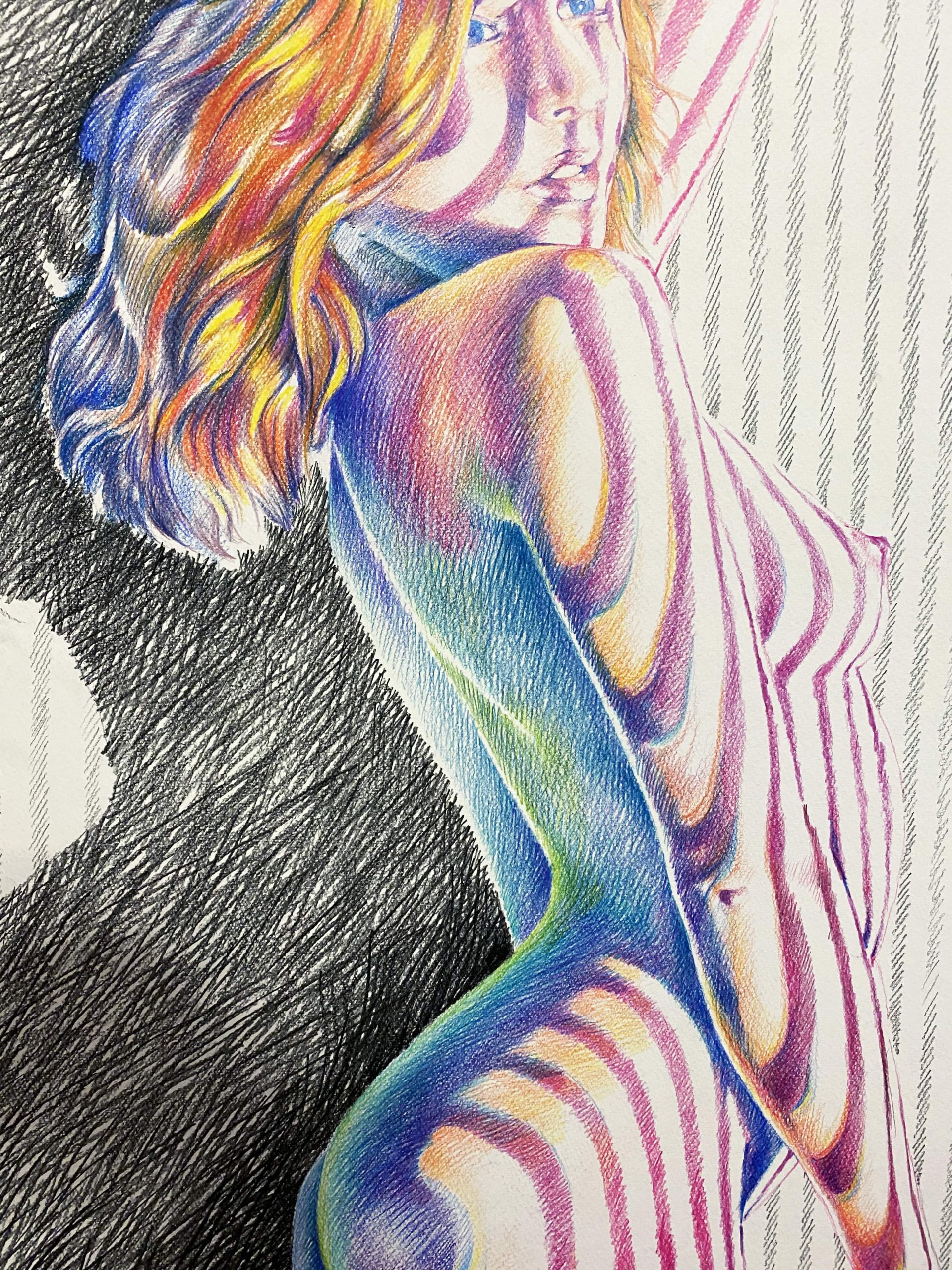
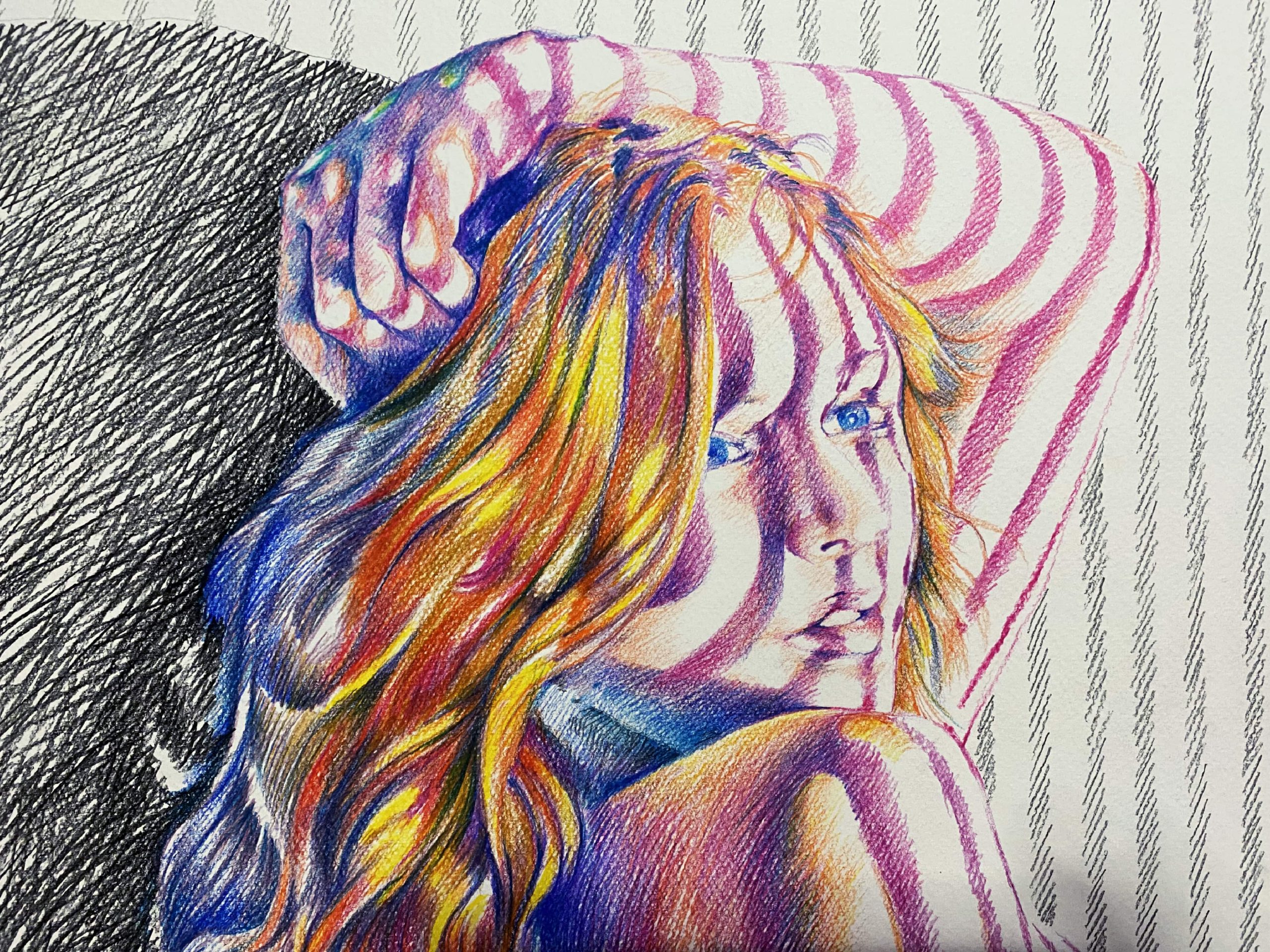
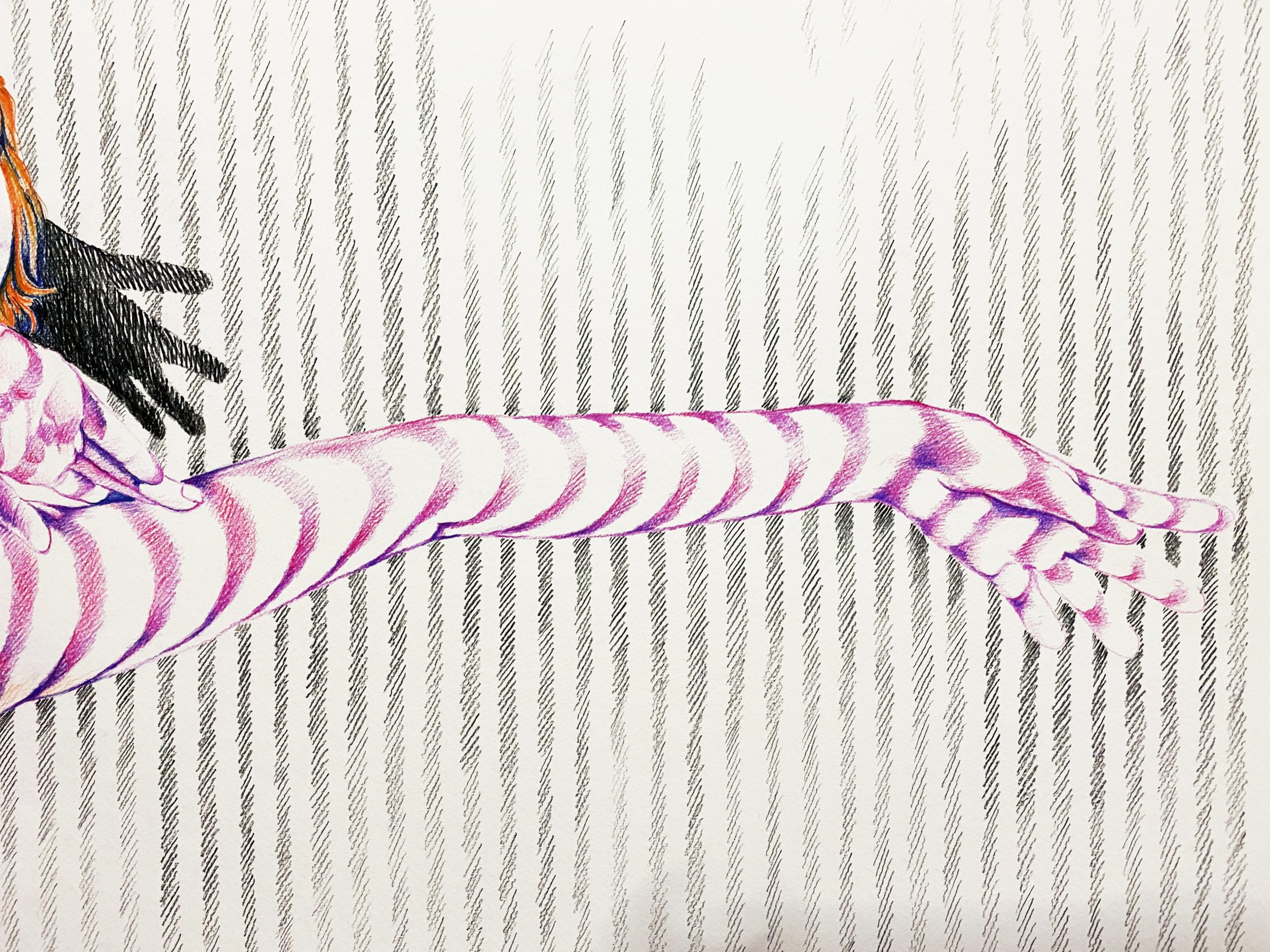
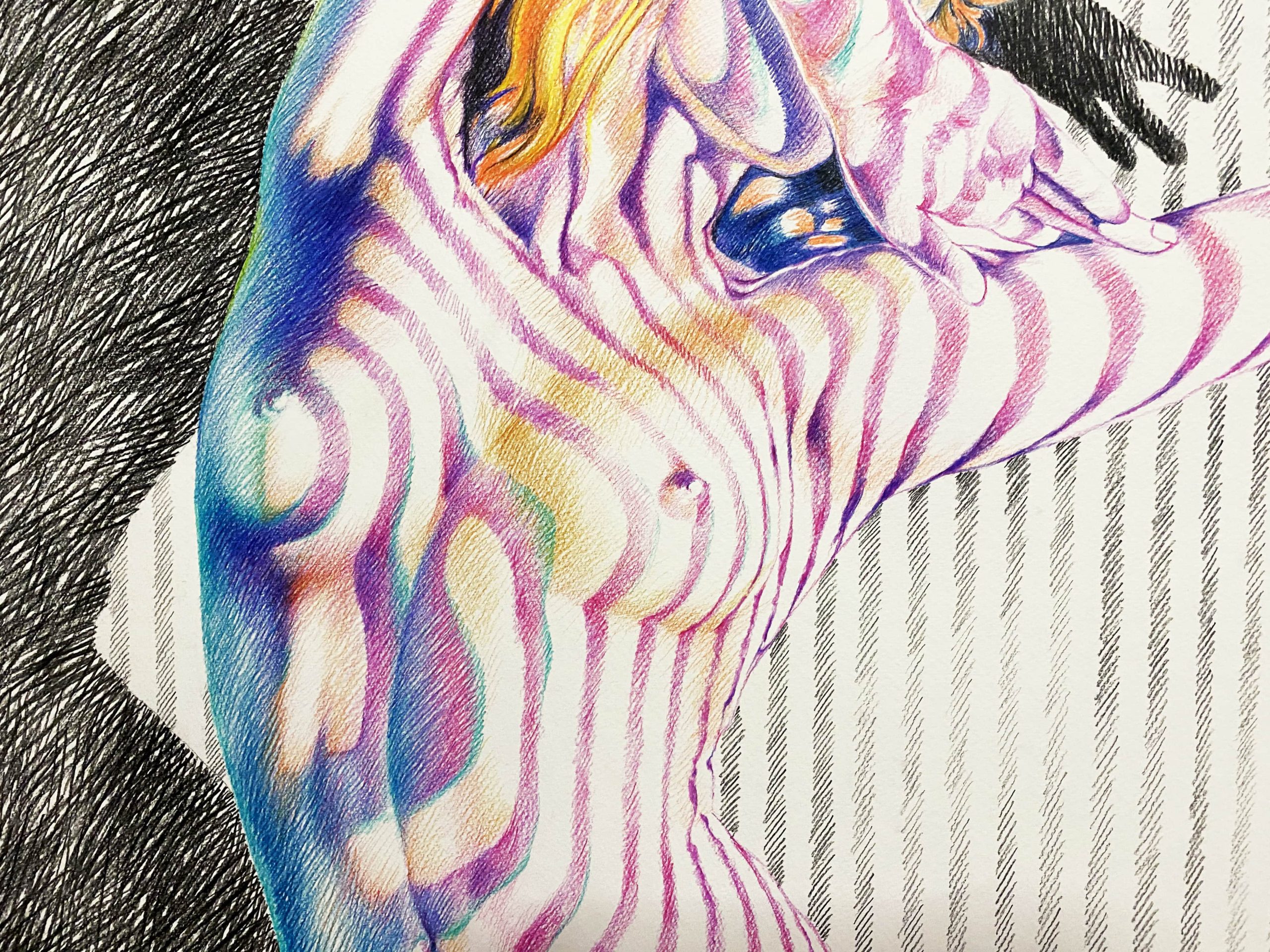
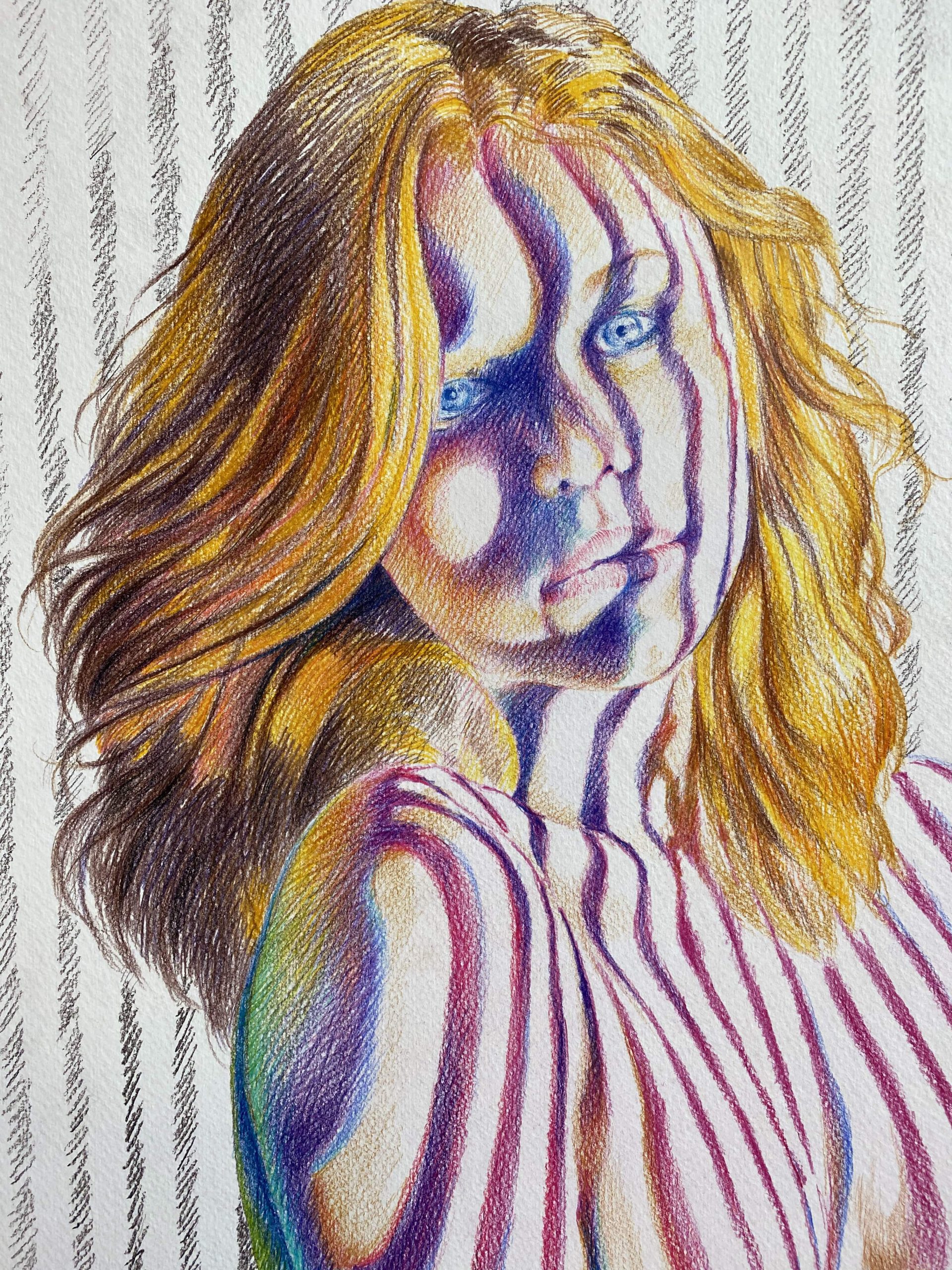
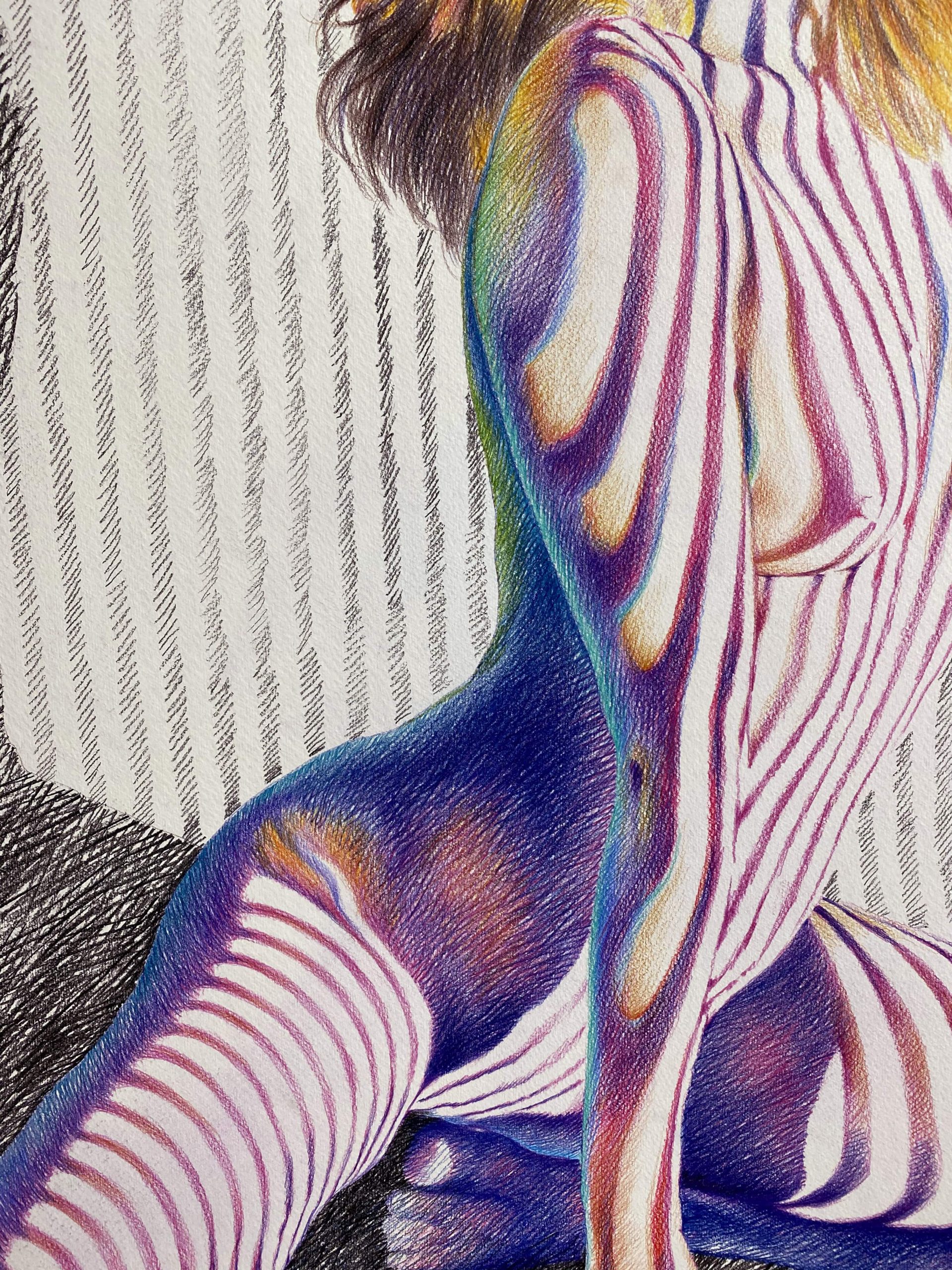
In questo testo volevamo presentare l’opera in senso filologico e filosofico e non tecnico scientifico perché già altri testi su Ramotto parlano e si soffermano sulla descrizione della tecnica originale e personale messa a punto come in una poesia o in una sinfonia musicale dove il ritmo, le valenze e i valori costituiscono il corpo stesso dell’opera. Il soggetto utilizzato la figura da soggetto diventa un pretesto per aumentare le difficoltà tecniche e mettere in discussione in ogni lavoro le proprietà e la capacità di Pierpaolo di mostrare oltre alle conoscenze tecniche e scientifiche anche quelle puramente pratiche. I colori che parlano di luce si spalmano con morbidezza sul corpo assorbito dalle ombre per poi emergere con tutta la sua potenza mitologica simbolica, che solo un corpo sa trasmettere e a ciascuno il personale messaggio.
Mentre artisti seguaci della Bauhaus seguono la filosofia in astrazioni d’origine concettuale, Ramotto inserisce la figura aumentando le difficolta esecutive, tecniche e comunicative, la necessità di mettere da parte la futilità per far emergere l’essenza delle cose, come nella filosofia della Bauhaus.
Il segno… traccia del nostro vissuto?
“Subperception”
For once, the invention is attributed to a woman, popularly called Dibutades or the maid of Corinth, couldn’t Dibutades be the artist alone?
This mythical story brings to life and revives in color the myth of painting, a light, the shadow, the color, and the only feeling that makes the world move, love.
The acquaintances with the great European art and culture, the profound innovators of the twentieth century as they are mentioned in Pierpaolo’s story attract him, aware however that if you get too close to the fire it can burn and therefore safety has always been and it is characterized by building its own sign, trying to carry over all the techniques and systems involved to achieve coherence, considering the visual, psychological and linguistic aspect for the conceptual purpose.
This last concept is linked to the studies done in Munich in Germany on the Bauhaus, where the concept and philosophy of essentiality, modernity, equality and attention to color and shape are the cardinal principles, with Sullivam’s famous phrase “form follows the function”.
The studies carried out in the optical-visual field with its perceptive procedures, inductive power, experimented on various techniques, screen printing, photography, montages and graphic elaborations, based on the psychology of the form, the results can be seen in these works on special papers. The theories accumulated in lessons with Bruno Munari in Milan and at the Kunste Akademie der Bildenden Munchen with the Bauhaus philosophy, push Ramotto to merge many elements together, first ever light, color, shape and new technologies to achieve results thought in the design phase. The series of works on multi-sensoriality between art, graphics, photography, painting and modeling are the demonstration where creativity and knowledge of techniques are put into practice and taken to extremes by Pierpaolo, without ever distorting its initial, identifying, characterizing character and consistent. Overcoming the boundaries between abstract and figurative works, between painting and sculpture, between photography and video for Ramotto’s vision are one thing, if the rule of art is honored.
Pierpaolo is a multifaceted figure who moves on the thin line that binds art and its techniques, exploiting them both manually and conceptually, Pierpaolo is the generation of artists who discover and use the possible languages of these techniques pushed to the maximum they can open towards abstraction and the artist solves with an ancient but always current philosophical concept, “the work itself is an illusion or allusion to reality”, in this concept we can enclose the series of works, with a clear reference to the myth of painting . The “Subperception” is one of the categories within which the artist makes a subliminal vision fall on the “Subperception” which exploits the “lateral” capacities of the mind in the vision of the work, reconstructing the missing pieces on the basis of his own cultural and visual preparation, vision, the retina and the speed of perception do the rest.
This type of work, and its production, are based on knowledge of anamorphism and abstraction, regularly controlled and managed at the rhythm of signs as in a score where the music is written on well-defined lines, so the five signs for three inclinations become a harmonious writing that reconciles, numerology, abstraction, rhythm, shadow and light in space from ancient origins, with the help of programs and algorithms managed by the knowledge of the previous materials and techniques, the signs of light are born, a photograph that is no longer a photo neither graphic nor paint a new image.
The first examples of these works are dedicated to a series of key concepts of thought, mostly based on opposition: ‘black and white’, ‘good and evil’ ‘truth and falsehood’, ‘nature and culture’, ‘sacred and profane ‘, ‘dream and reality ‘, ‘will and destiny ‘, ‘verba et res ‘; the latest works, which conclude the series, are instead entitled to the “lucid madness” because without it the world would have to stop and reflect.
In this text we wanted to present the work in a philological and philosophical sense and not a scientific one because other texts on Ramotto already speak and dwell on the description of the original and personal technique developed as in a poem or a musical symphony where the rhythm, the valences and values constitute the body of the work itself. The subject used, the subject figure becomes a pretext to increase the technical difficulties and question Pierpaolo’s properties and ability to show purely practical knowledge in addition to technical and scientific knowledge. The colors that speak of light are spread softly on the body absorbed by the shadows and then emerge with all its symbolic mythological power, which only a body can transmit and a personal message to each one.
While artists following the Bauhaus follow the philosophy in abstractions of conceptual origin, Ramotto inserts the figure increasing the executive, technical and communicative difficulties, the need to put aside the futility to bring out the essence of things, as in the Bauhaus philosophy .
The sign… a trace of our experience?
Info
-
Grandezza :
-
Anno :
-
Materiali :
-
Tecnica :